













What Nonprofits and Schools Should Know Before Furnishing a Space
Furnishing a nonprofit office or school requires more than picking out desks and chairs. These spaces have unique needs: they must be functional, durable, budget-conscious, and welcoming. With thoughtful planning, organizations can create environments that support productivity, collaboration, and comfort while making the most of every dollar.
1. Assess Your Space and Needs First
Before buying furniture, take time to map out your space and understand how it will be used. Consider:
-
The number of people who will use the space regularly
-
Types of activities: collaborative meetings, focused work, classrooms, or multi-purpose areas
-
Storage needs for files, supplies, and equipment
-
Accessibility requirements for staff, students, or visitors
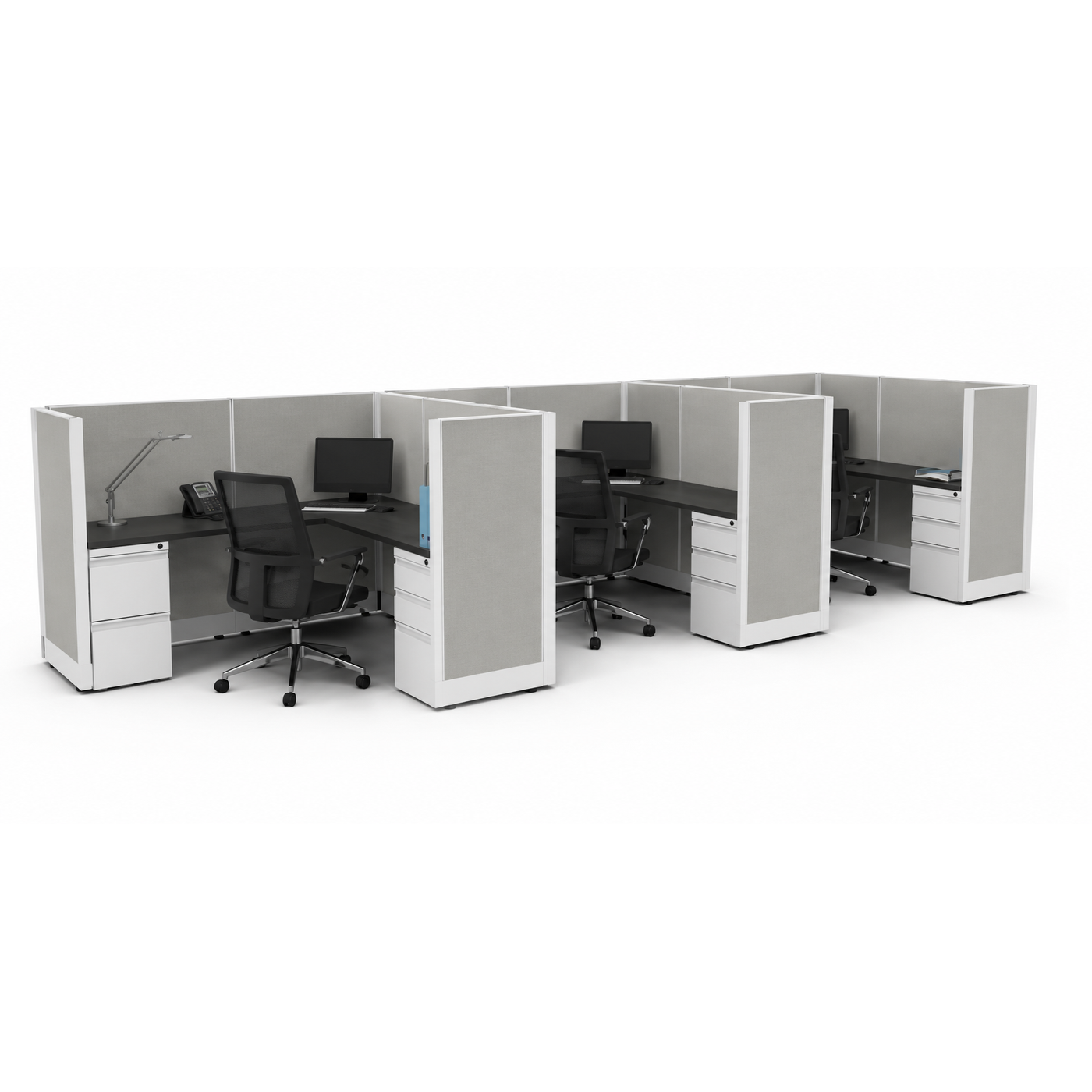
A clear understanding of these factors ensures furniture is chosen for function as well as form. USDO offers free space planning to ensure you furnish your space with all of the products needed to fulfill your unique needs.
2. Prioritize Durability and Quality
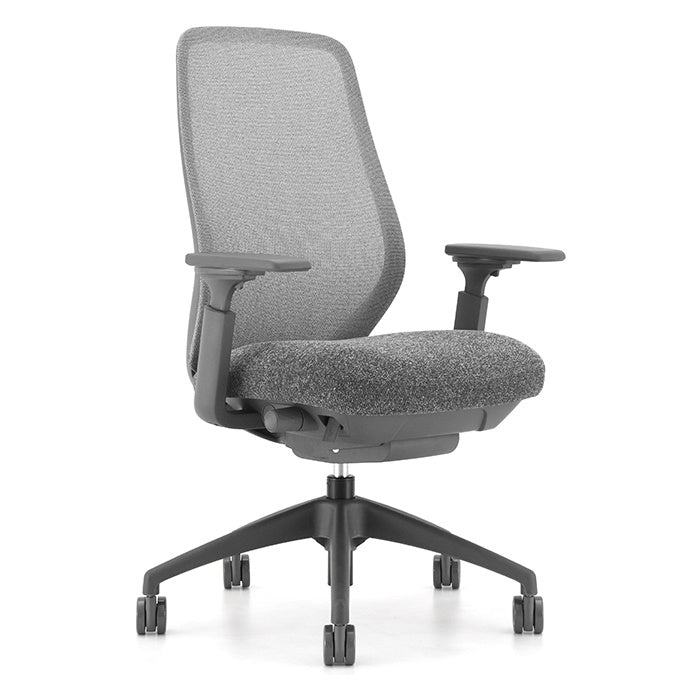
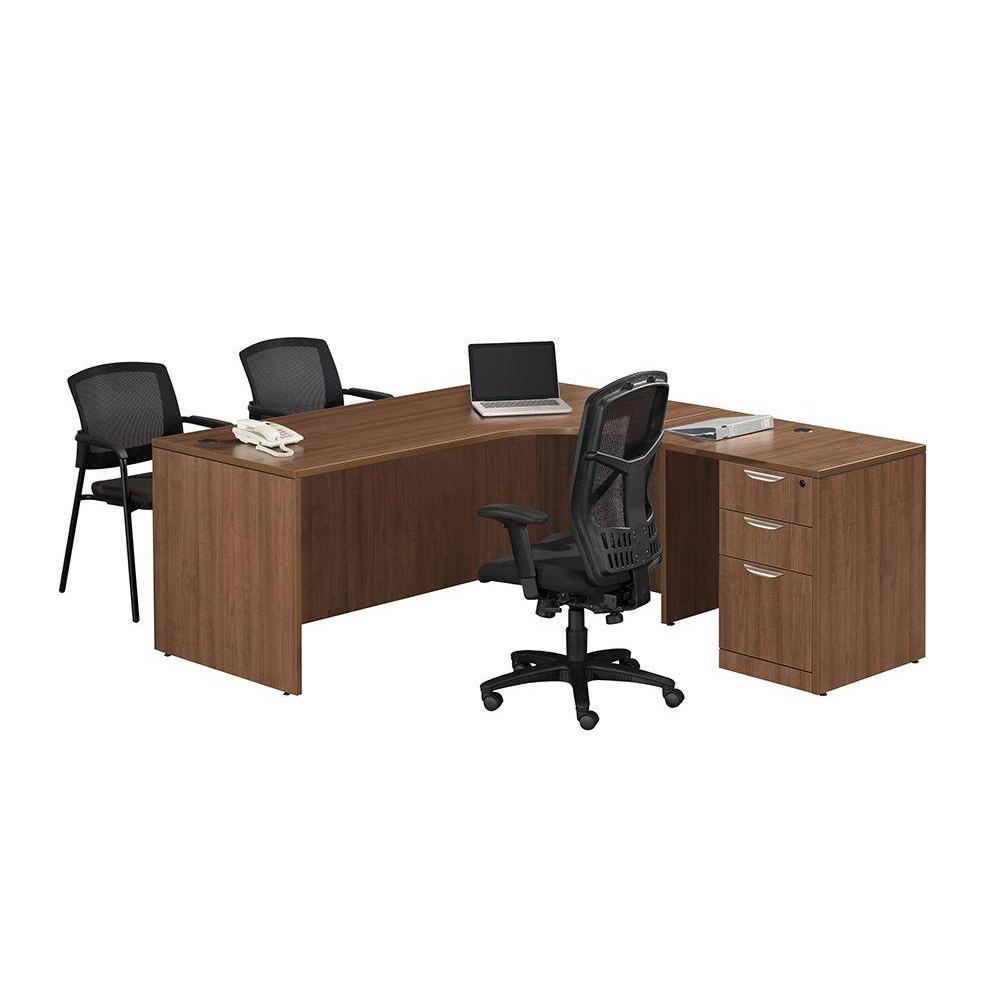
Schools and nonprofits often see high traffic and frequent use, so durability is key. Look for furniture built with sturdy materials and strong construction that can withstand daily wear. At US Discount Office Furniture, there are options like resilient task chairs, metal-frame desks, and laminate tables designed to last while remaining affordable.
3. Flexibility and Multi-Functionality Matter
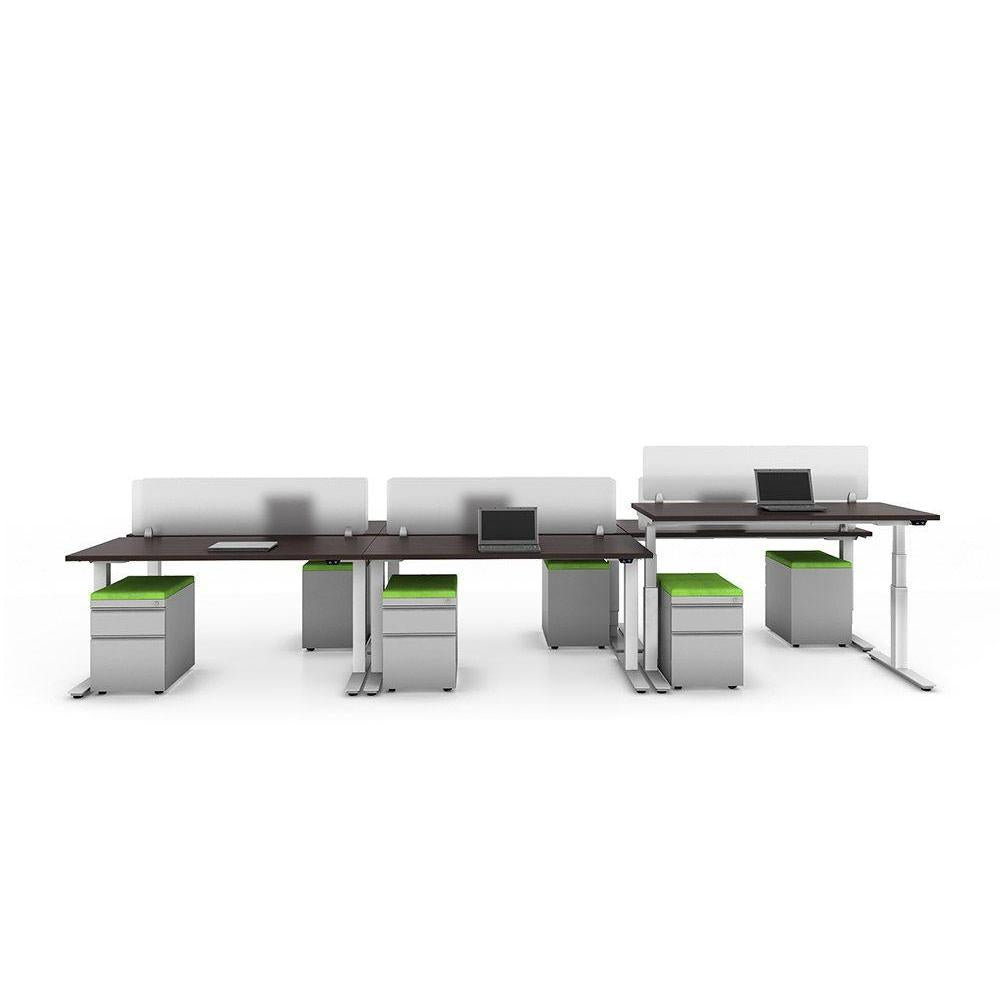
Multi-use spaces benefit from modular or mobile furniture. Movable desks, nesting tables, and stackable chairs allow rooms to be reconfigured quickly for meetings, classrooms, or events. Adjustable-height tables and mobile storage units provide added flexibility, making the space usable for multiple groups without purchasing separate furniture for each setup.
4. Keep Comfort and Ergonomics in Mind
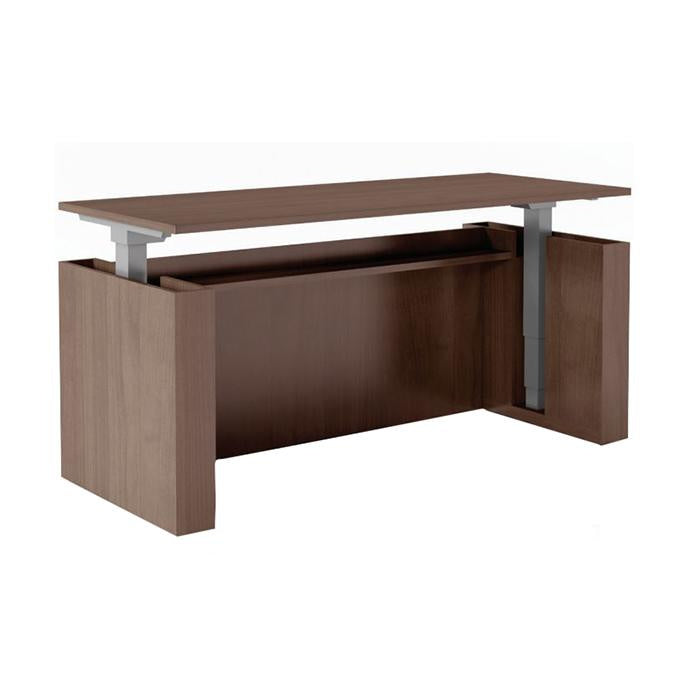
Comfortable seating and ergonomic solutions are important not just for staff, but also for students and volunteers. Ergonomic chairs, sit-stand desks, and properly sized tables reduce fatigue, support good posture, and create a more productive environment.
5. Consider Budget Without Sacrificing Style
Nonprofits and schools often work with limited budgets, but that doesn’t mean the space has to feel plain or institutional. Affordable options exist that are functional, professional, and visually appealing. Bundling furniture packages or selecting multi-functional pieces can stretch the budget further while still achieving a polished look.
6. Plan for Storage and Organization
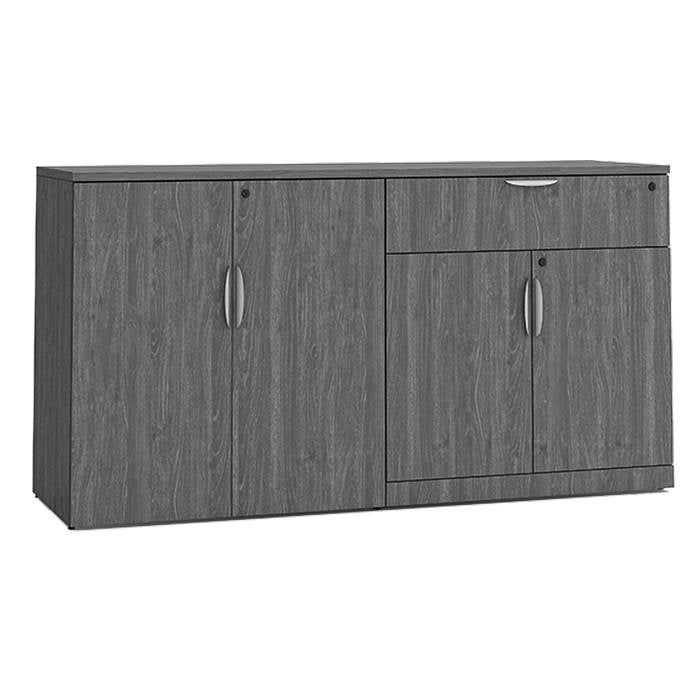
Cluttered spaces can reduce efficiency and increase stress. Include filing cabinets, bookcases, and storage units that are appropriately sized for the space. Mobile pedestals and modular storage units are especially helpful for keeping items organized while allowing easy reconfiguration.
7. Don’t Forget Safety and Accessibility
Ensure that furniture choices comply with safety standards and accessibility guidelines. Locking casters, stable seating, and wide walkways help prevent accidents, while adjustable-height furniture and accessible layouts make spaces inclusive for all users.
Final Thoughts
Furnishing a nonprofit office or school requires balancing functionality, comfort, budget, and durability. By planning carefully and choosing versatile, high-quality furniture, organizations can create spaces that inspire productivity, collaboration, and engagement. US Discount Office Furniture offers a variety of options designed to meet the unique needs of schools and nonprofits, making it easier to furnish a space that works today and adapts for the future.
- Choosing a selection results in a full page refresh.