
















Office Design Trends for 2026
As companies settle into new ways of working, office design is shifting faster than most floorplans. The aim for 2026 is simple: make spaces more adaptable, healthier, and smarter so they support hybrid teams and changing workflows. Below are the trends design and workplace experts say will matter most, and practical ways to bring them to life using versatile office furniture.
1. Hybrid-first layouts: design for purpose, not permanence
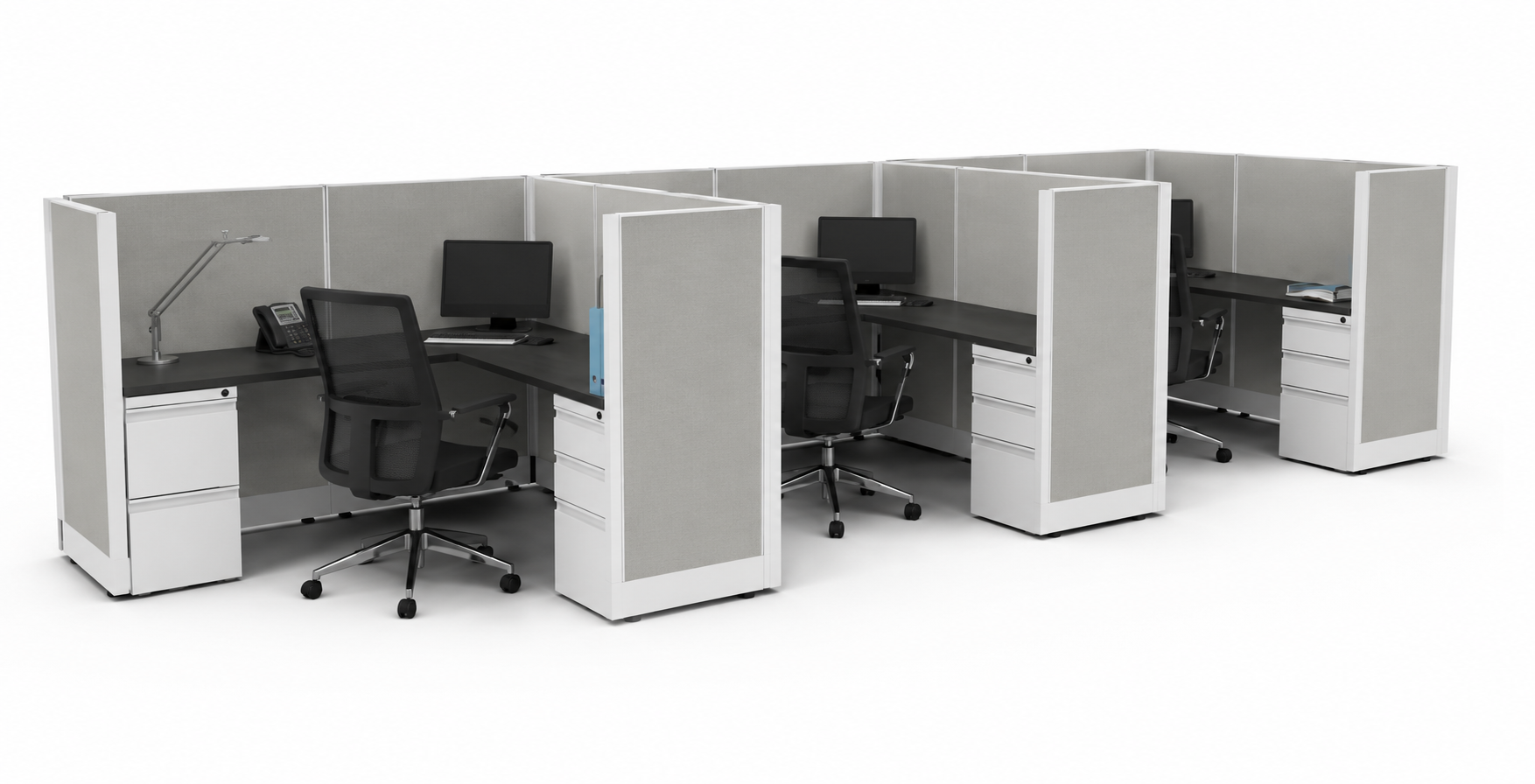
Hybrid work is now mainstream, and design is following suit. Offices are moving away from assigned desks toward neighborhoods and flexible zones that support focus, collaboration, and social connection. That means fewer static cubicles and more bookable focus rooms, touchdown spaces, and team huddles that can be reprogrammed day to day. This shift calls for mobile furniture, flexible tables, and easy-to-move screens that let teams reconfigure space in minutes rather than weeks.
2. Modular, reconfigurable furniture systems
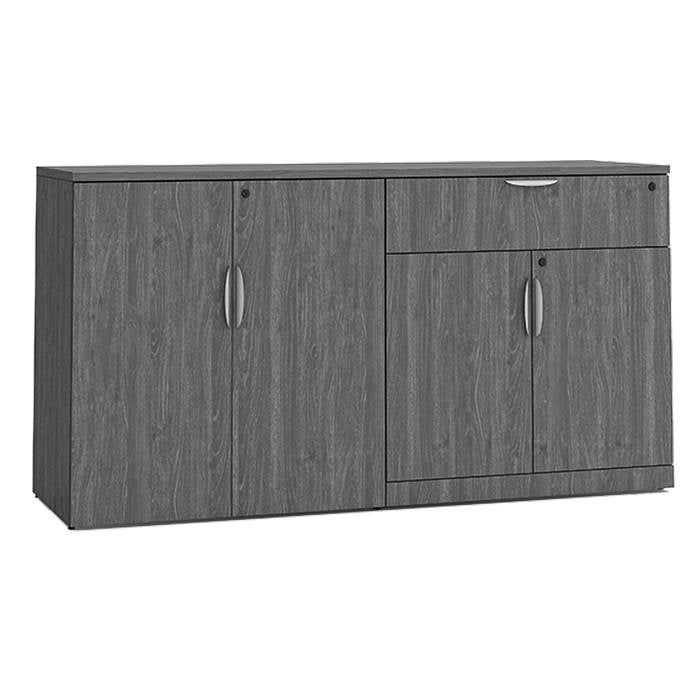
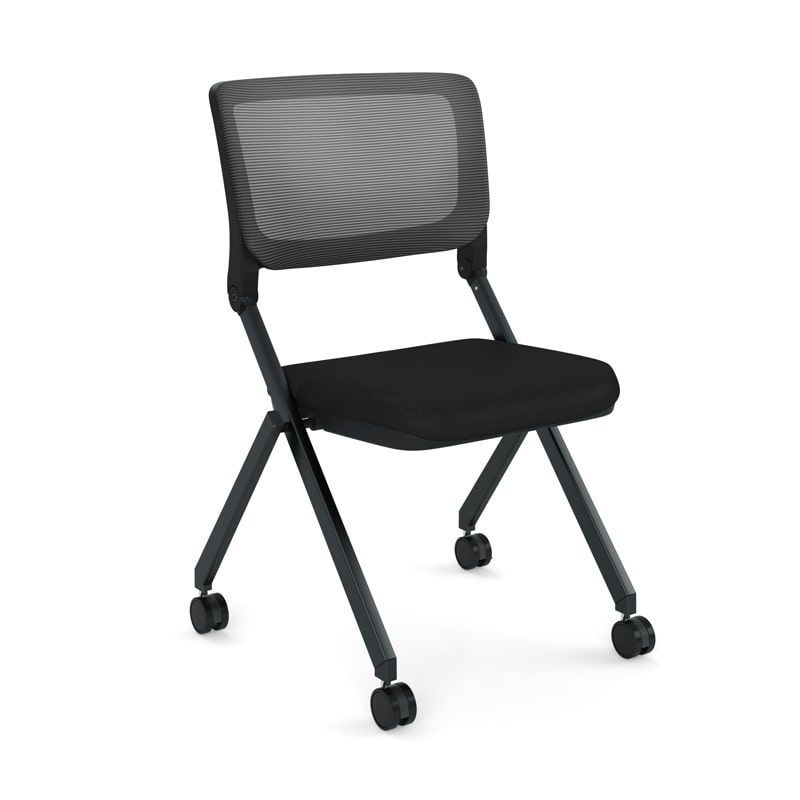
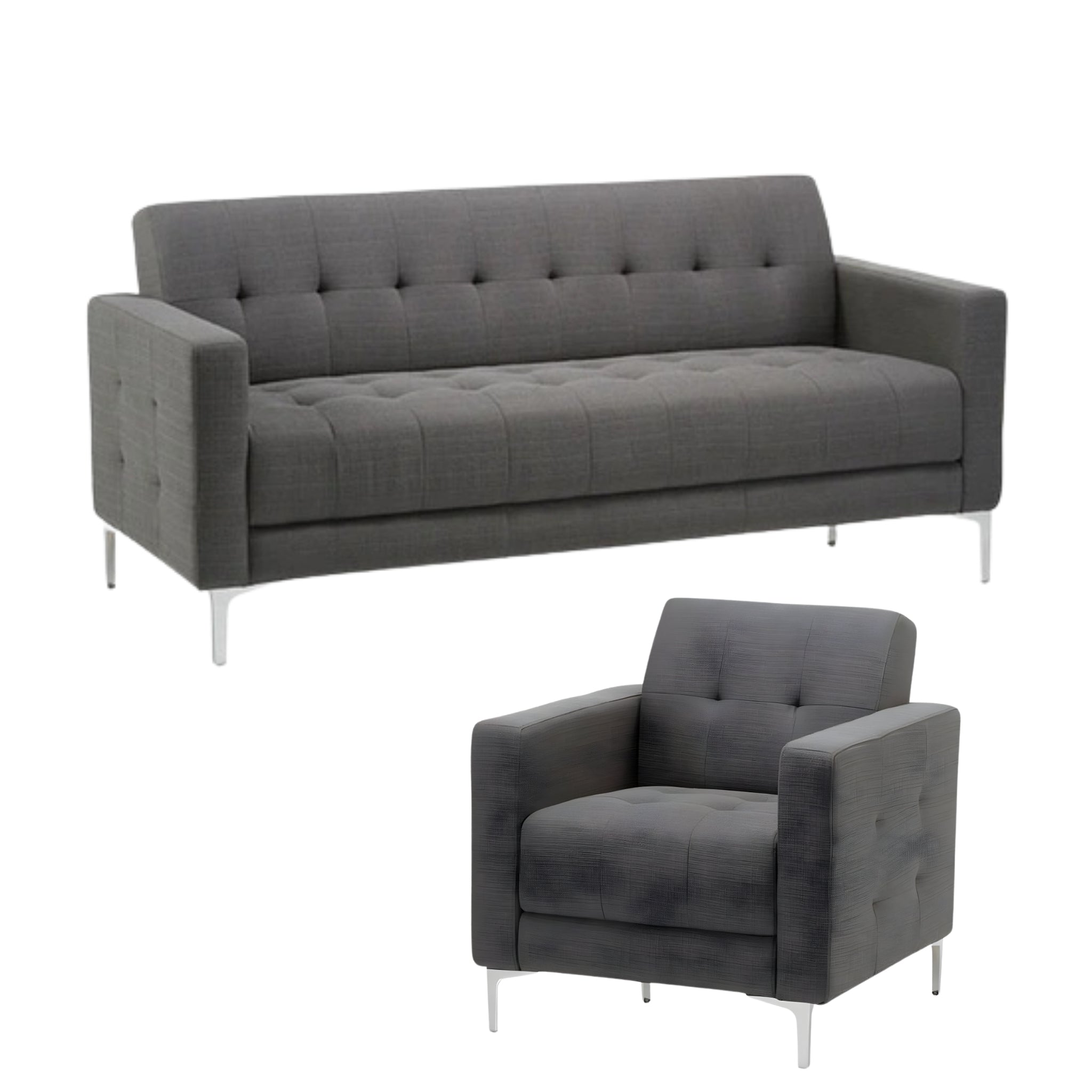
To future-proof offices, designers are favoring pieces that adapt. Modular benches, mobile pedestals, caster-equipped soft seating, and foldable meeting tables let workplaces flex with headcount and team needs. Choosing systems that can be upgraded or reassembled reduces waste and extends the life of your furniture investment. Modular workstations and mobile storage are sought after for their mobility and interchangeable components.
3. Better Workstations Start With Adjustability
Office furniture has always needed to look good and withstand daily use, but employee fit and comfort deserve equal consideration.
There is no single workstation configuration that's ideal for everyone. OSHA's computer-workstation guidance emphasizes adjustability and recommends chairs and work surfaces that can accommodate different users and working postures.
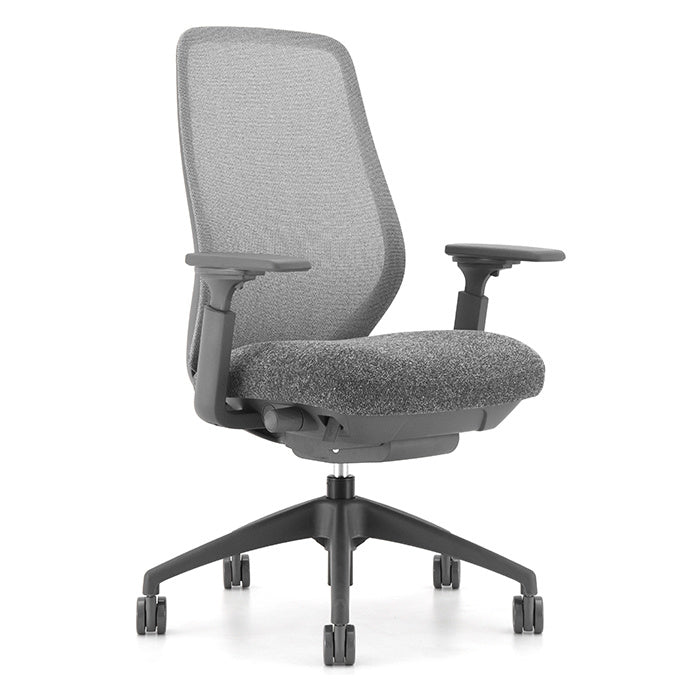
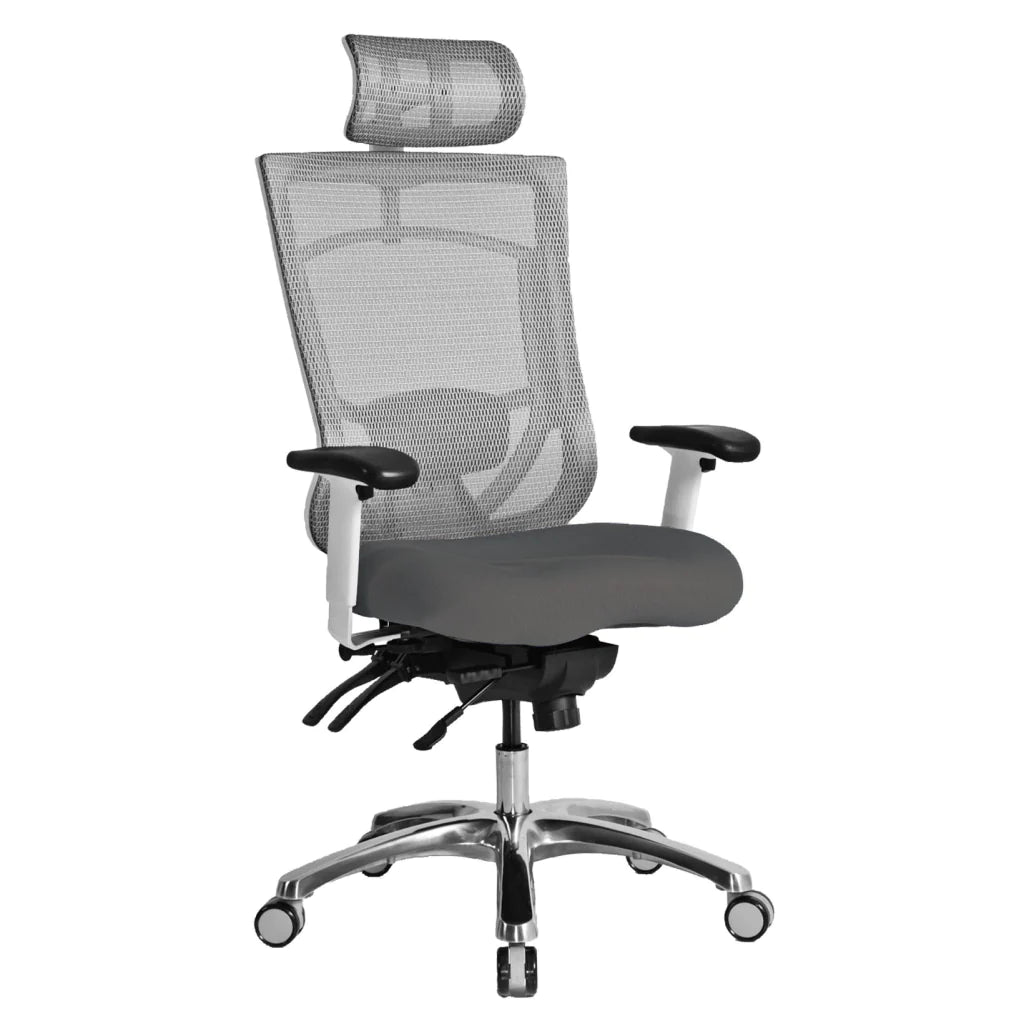
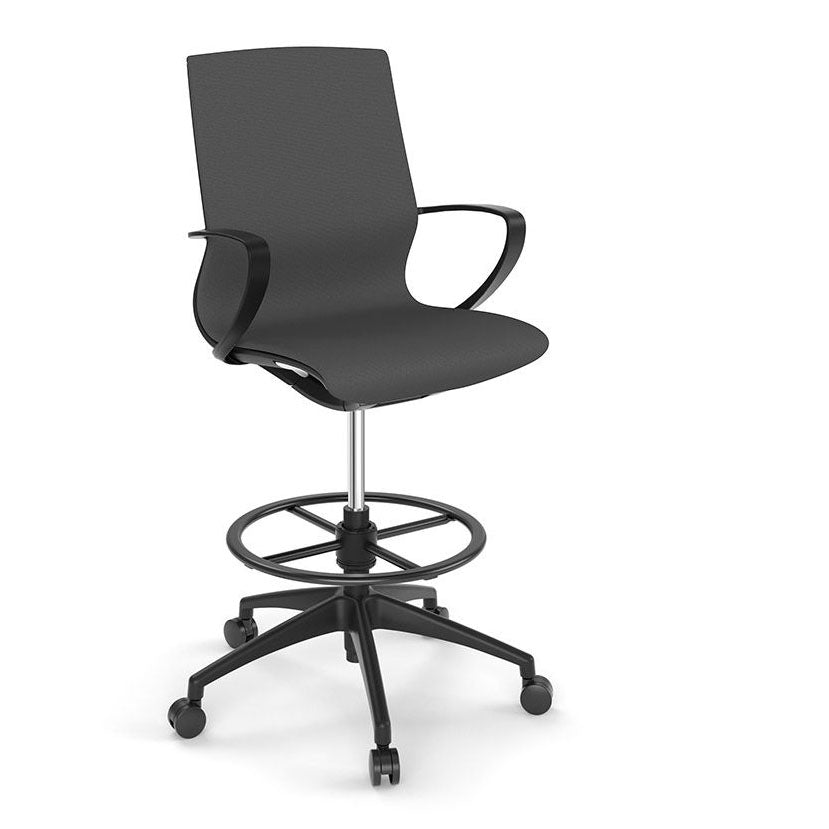
For seating, that can mean adjustable seat height, lumbar support, appropriate seat depth, and adjustable armrests. At the workstation, monitor placement, desk height, leg clearance, and access to frequently used equipment all contribute to the overall setup.
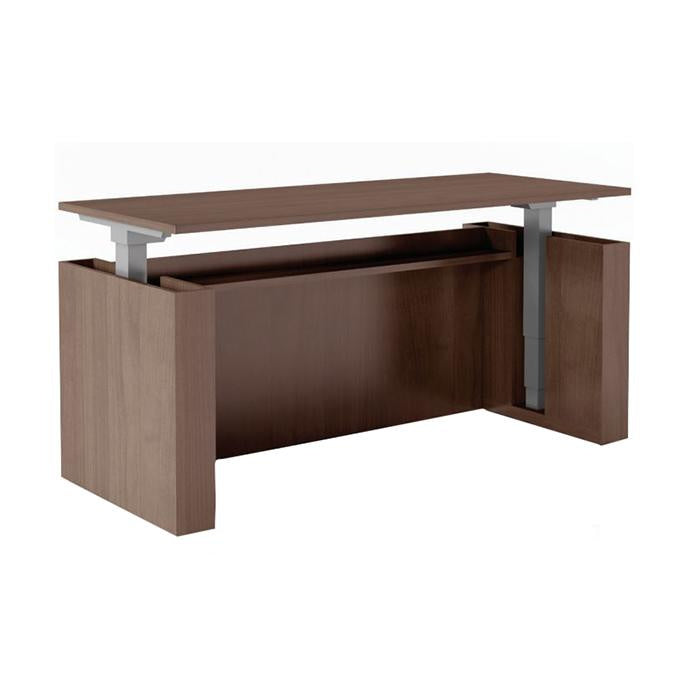
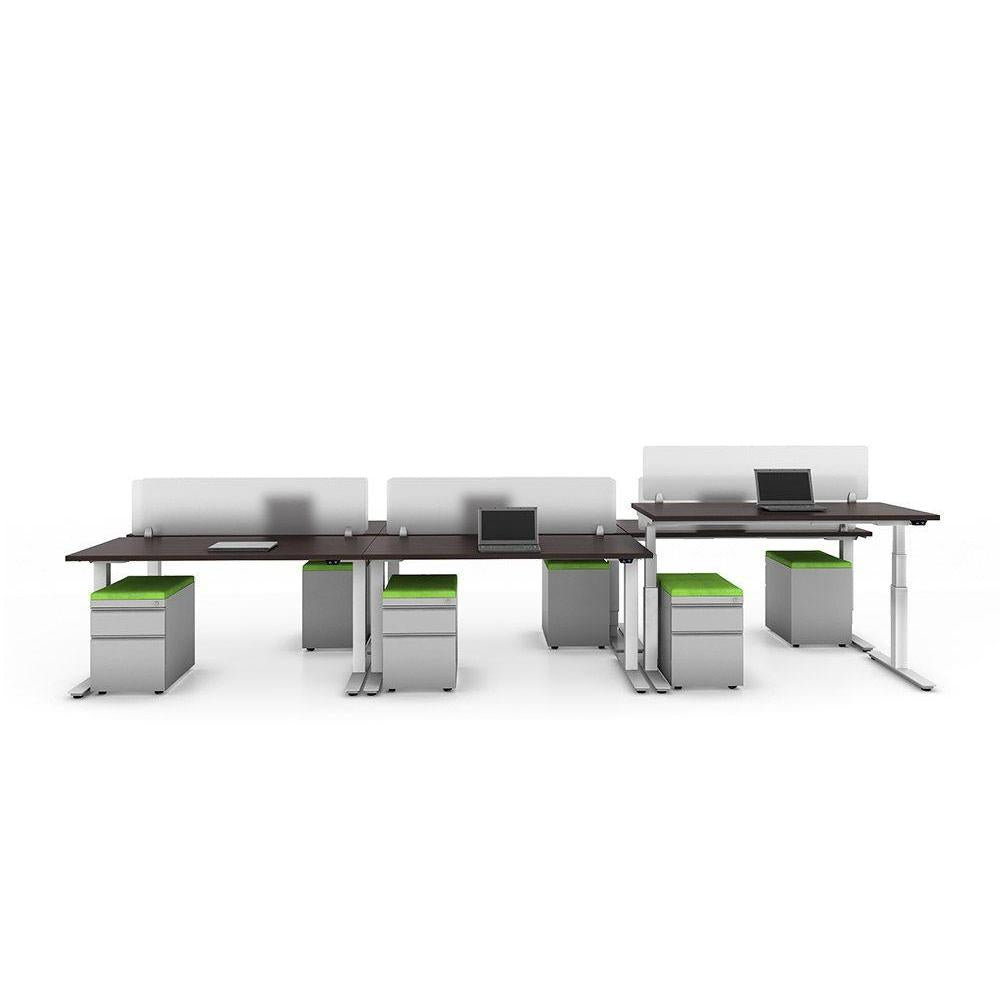
Height-adjustable desks can add another option by allowing employees to change working positions throughout the day.
The takeaway for 2026 is simple: design the workstation around the person using it, rather than expecting the person to adapt to the furniture.
4. Biophilic and wellbeing-driven design
Design that connects people to nature continues to accelerate. Biophilic strategies now go beyond potted plants to include natural materials, daylight-mimicking lighting, organic forms, and layouts that support movement and respite. These features improve concentration, lower stress, and support retention. Offer natural wood finishes and workstation panels with organic textures to make wellbeing tangible in the workspace.
5. Smart infrastructure and thoughtful tech integration
Offices are getting smarter. Sensors, booking systems, hybrid collaboration tech, and AI tools are being used to optimize occupancy, improve room booking, and equalize the experience for remote workers. Rather than piling on devices, focus on tech that simplifies the experience: intuitive room panels, reliable video collaboration in huddle rooms, and cable management furniture that keeps technology tidy and accessible.
6. Micro-environments and privacy pockets
The open office is evolving into a mosaic of micro-environments: quiet focus booths, phone booths, collaboration caverns, and social kitchens. These varied settings give employees control over noise, social interaction, and privacy which is key for hybrid teams who use the office differently than they once did. Invest in small meeting tables and compact lounge pieces to populate these pockets without overwhelming floor space.
7. Sustainability and circular furniture models
Sustainability is shifting from a PR line to procurement practice. Expect more demand for recyclable materials, remanufactured components, and furniture-as-a-service models that support lifecycle management. At USDO, all of our products are ANSI & BIFMA compliant and built from environmentally friendly, certified materials.
How to apply these trends with office furniture
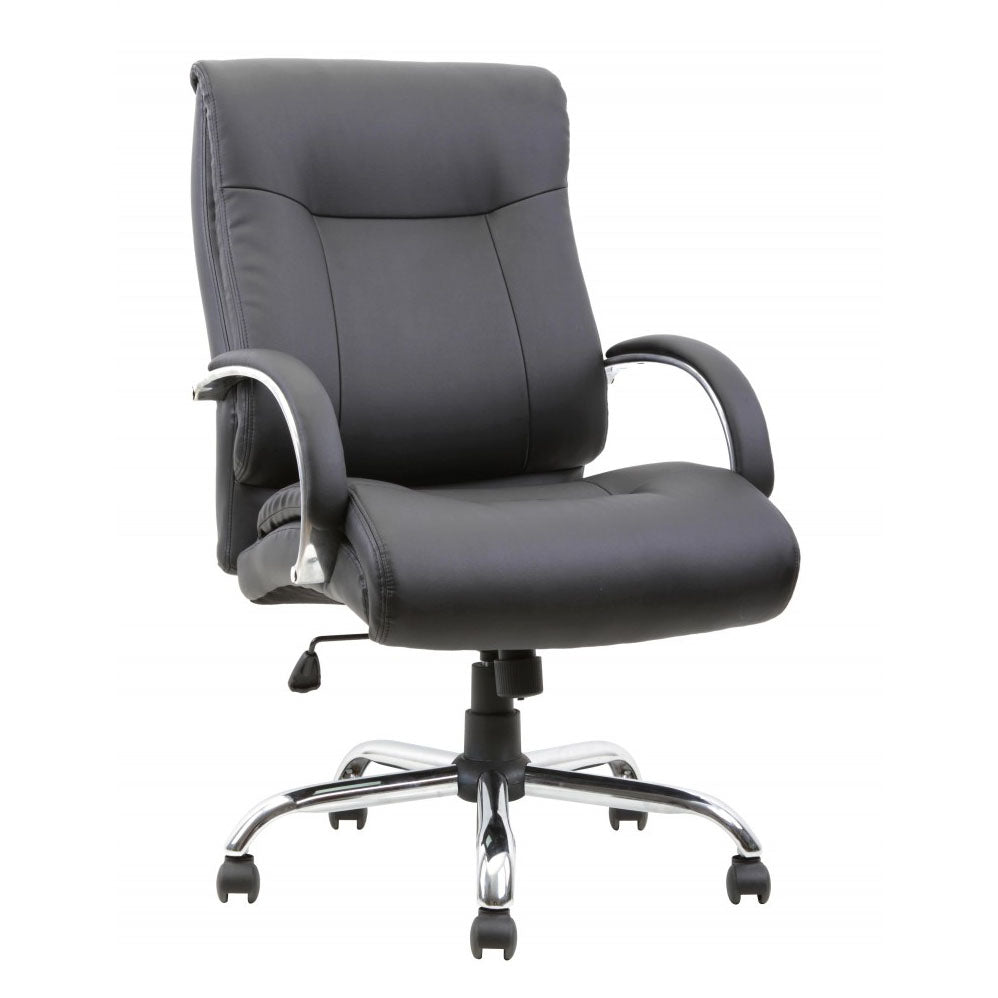
• Offer flexible workstation bundles: sit-stand desks with mobile pedestals and task chairs.
• Stock modular seating and tables on casters for fast reconfiguration.
• Provide acoustic solutions: wall panels, booths, and screen dividers.
• Curate biophilic finishes: woodgrain laminates, woven textiles, and natural colors.
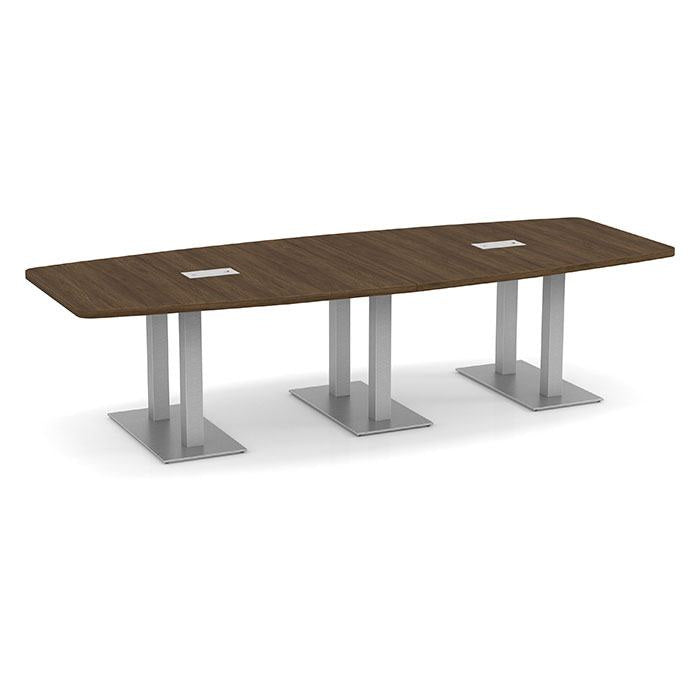
• Bundle tech-friendly furniture: power-ready desks and conference tables with cable management.
Final thought
2026 will reward offices that are flexible, human, and smart. The most resilient workplaces will be those that can shift roles in a day, reduce physical and cognitive friction for employees, and demonstrate measurable commitments to wellbeing and sustainability.
- Choosing a selection results in a full page refresh.