











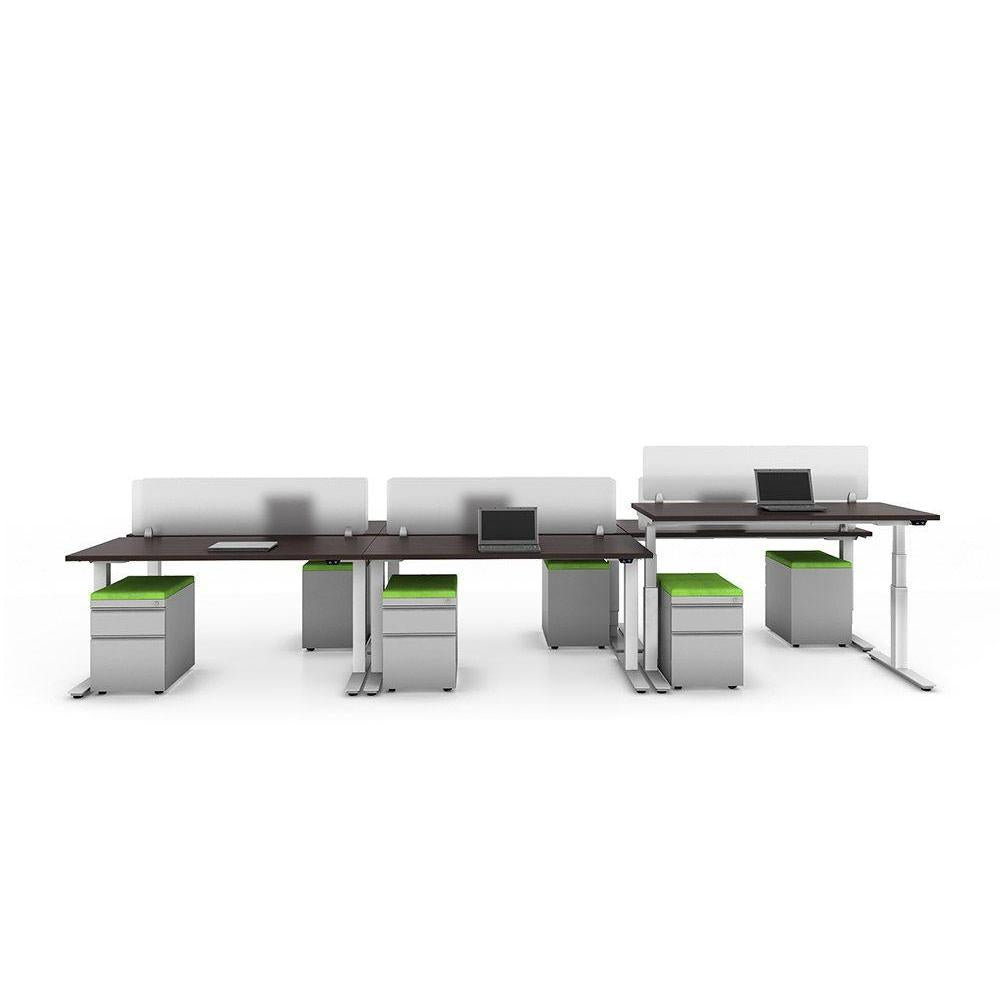


The Hidden Cost of Cheap Office Furniture
A lower price tag on a desk or chair can look like a win in the moment, but office furniture is one of those purchases where the sticker price only tells part of the story. What you don't see up front is what happens two, five, or ten years down the road, and that's where cheap furniture usually ends up costing more than commercial-grade options ever would have.
Why Cheap Furniture Costs More Over Time
Big-box and consumer-grade furniture is typically built for light, occasional use, not the eight-plus hours a day, five days a week that a real office puts it through. Particleboard cores swell and chip, drawer glides bind or fall off track, and chair mechanisms loosen within a year or two. Once that happens, you're either living with wobbly, unprofessional-looking furniture or replacing it, sometimes more than once, before a commercial-grade piece would need attention at all.
What Separates Commercial-Grade from Big-Box
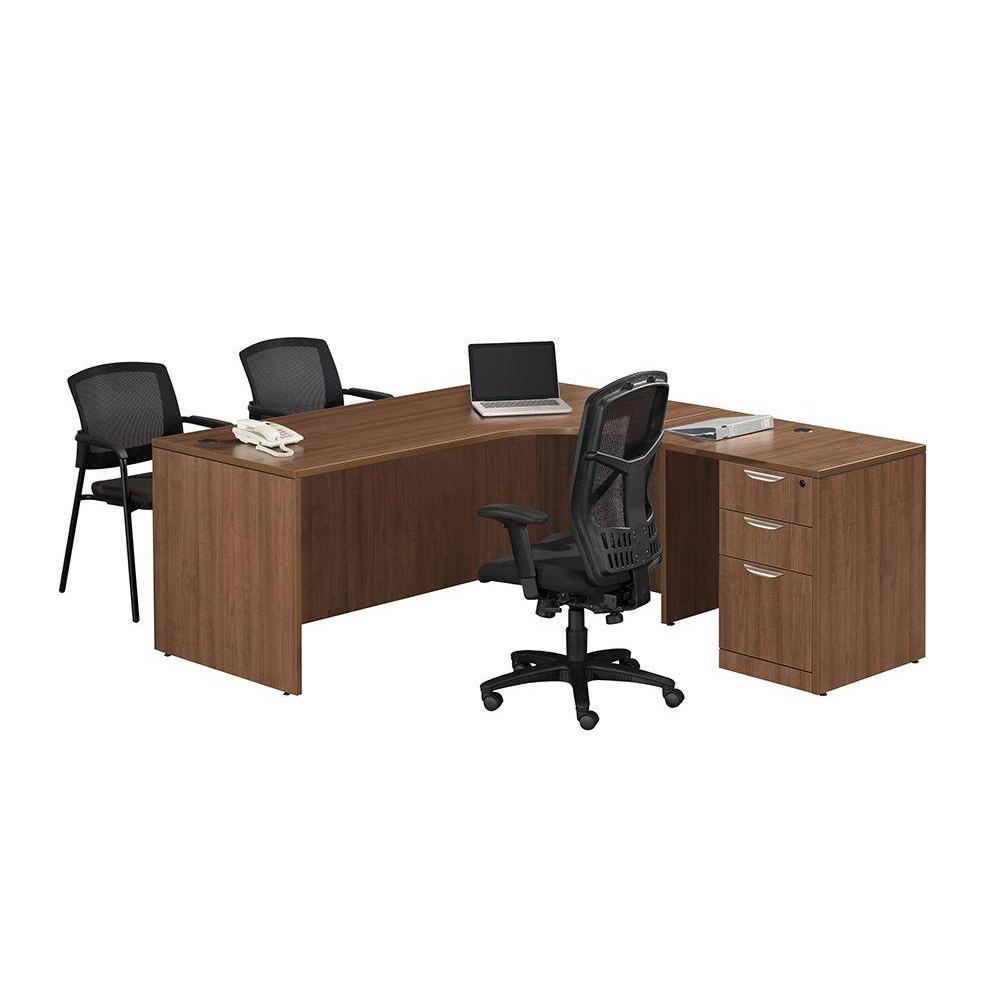
Commercial-grade furniture is engineered and tested for daily business use. That shows up in details buyers don't always think to check:
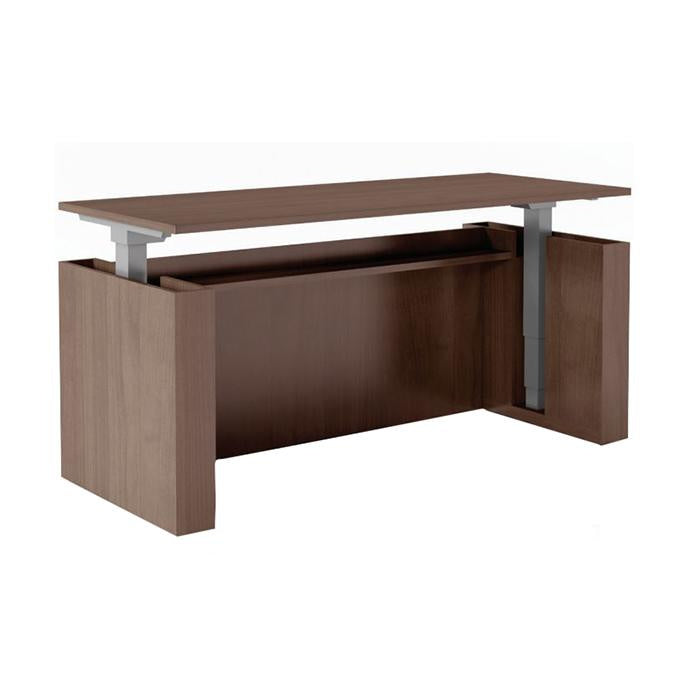
- Reinforced frames and thicker work surfaces rated for daily wear
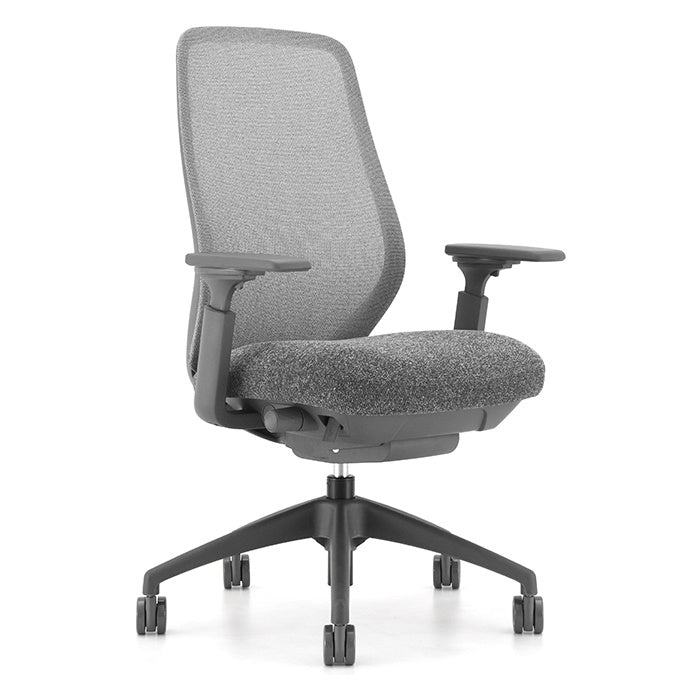
- Higher-cycle chair mechanisms and casters built for constant use
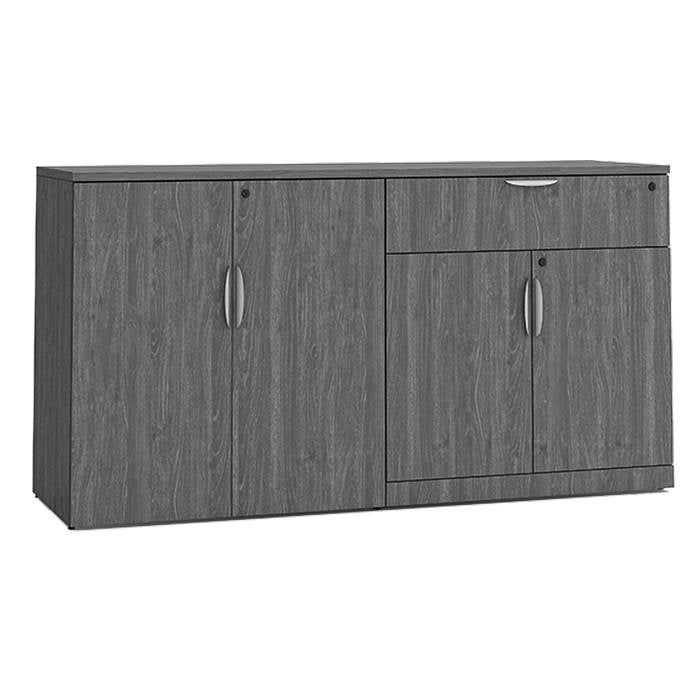
- Durable laminates and finishes instead of thin, peel-prone surfaces
- Manufacturer warranties that reflect real confidence in how long the piece will last
Those differences are exactly why USDO carries new, commercial-grade furniture backed by real manufacturer warranties, rather than the consumer-grade pieces you'd find at a general retailer.
The Real Price Tag: Repairs, Replacements, and Downtime
When furniture fails, the cost isn't just a replacement invoice. It's the staff time spent researching a new option, the delivery lead time you didn't plan for, and the awkward stretch where a manager is working off a folding table because a desk gave out. Multiply that across a whole office and a "savings" purchase can quietly turn into the more expensive path, especially once you factor in how often it repeats. Commercial-grade furniture is built to avoid that cycle in the first place, which is part of why USDO backs it with real manufacturer warranties and a meet-or-beat pricing guarantee, so quality doesn't have to mean paying more.
How to Buy Smart from the Start
The good news is that buying commercial-grade doesn't have to mean overspending. A few ways to get quality furniture without stretching your budget:
- Compare warranty terms, not just price, when evaluating options
- Ask about meet-or-beat pricing so you're not paying a premium for quality
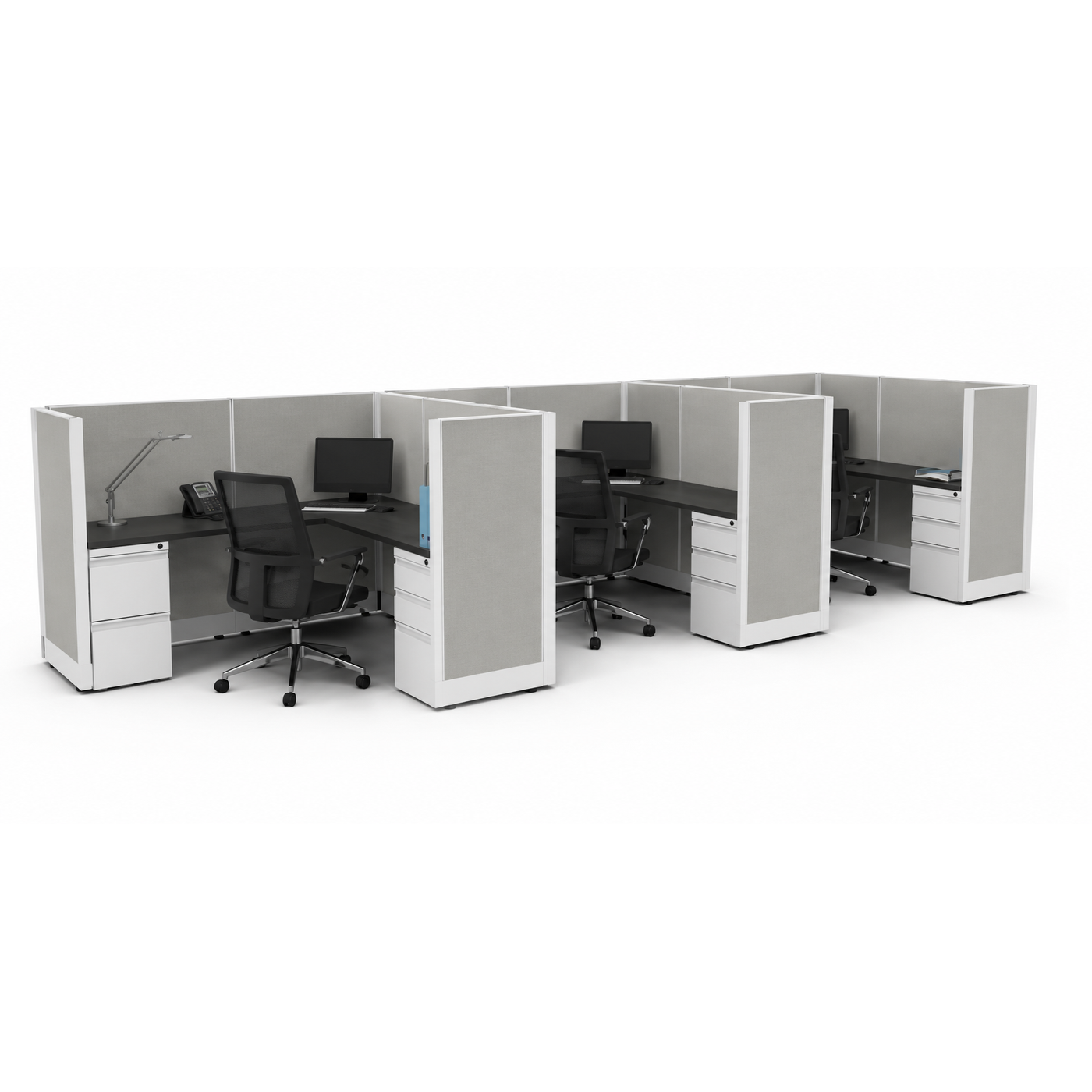
- Take advantage of free space planning to make sure you're ordering the right pieces the first time
- Consider GREENGUARD-certified options if indoor air quality is a priority for your team
A little more attention up front almost always pays for itself in fewer repairs, fewer replacements, and a workspace that still looks and functions the way it should years from now.
Not sure what fits your office and budget? Request free space planning and we'll help you choose commercial-grade furniture that's built to last.
- Choosing a selection results in a full page refresh.