Storage is one of those categories people shop for reactively: a closing office, a records backlog, a supply closet that's out of control. That makes it easy to buy the wrong unit. The right choice comes down to three questions: what are you storing, does it need to lock, and how much floor space do you actually have. Here's how to work through them.
Lateral filing cabinets (wide and shallow, with file drawers that open along the long side) are the standard in most offices today. They take up less depth, are easier to access from a seated position, and can double as a credenza surface. Vertical file cabinets (narrow and deep, with drawers that open on the short side) still make sense where floor space is tight and wall length is limited. If you're not sure which you have room for, measure the wall length available before the cabinet depth: that's usually the deciding factor.
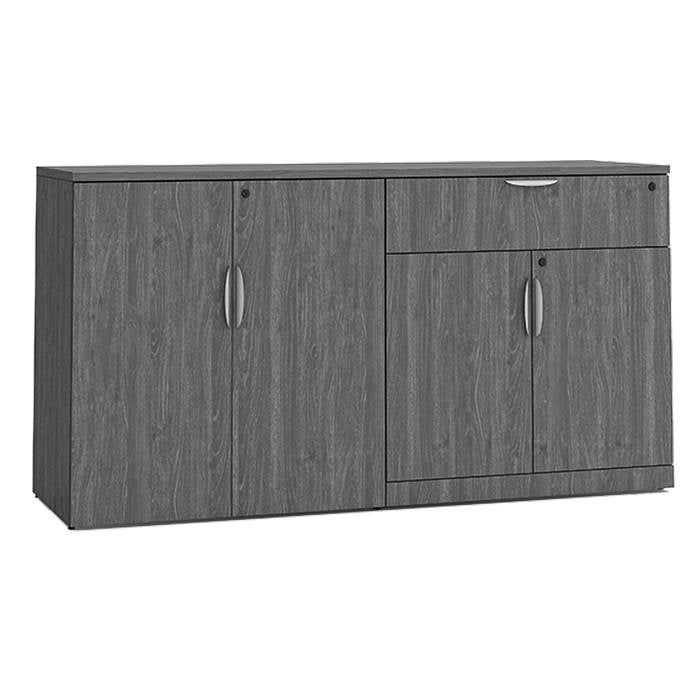
If what you're storing is sensitive (HR files, financials, client records), make sure the unit actually locks. Our Combo Filing Cabinet, Lateral Filing Cabinet with Bookcase, and Personal Storage Tower (roughly $465 to $700) all include locking storage and are the right fit for anything that shouldn't be accessible to just anyone. Our glass-door storage cabinets (from about $693) are a nice option when you want contents visible and organized, like reference material or a display area, but they don't lock, so keep those for non-sensitive material. Open shelving and bookcases without doors are the most economical option and, like the glass-door cabinets, are best reserved for anything that doesn't need to be secured.
A few things to check before you order:
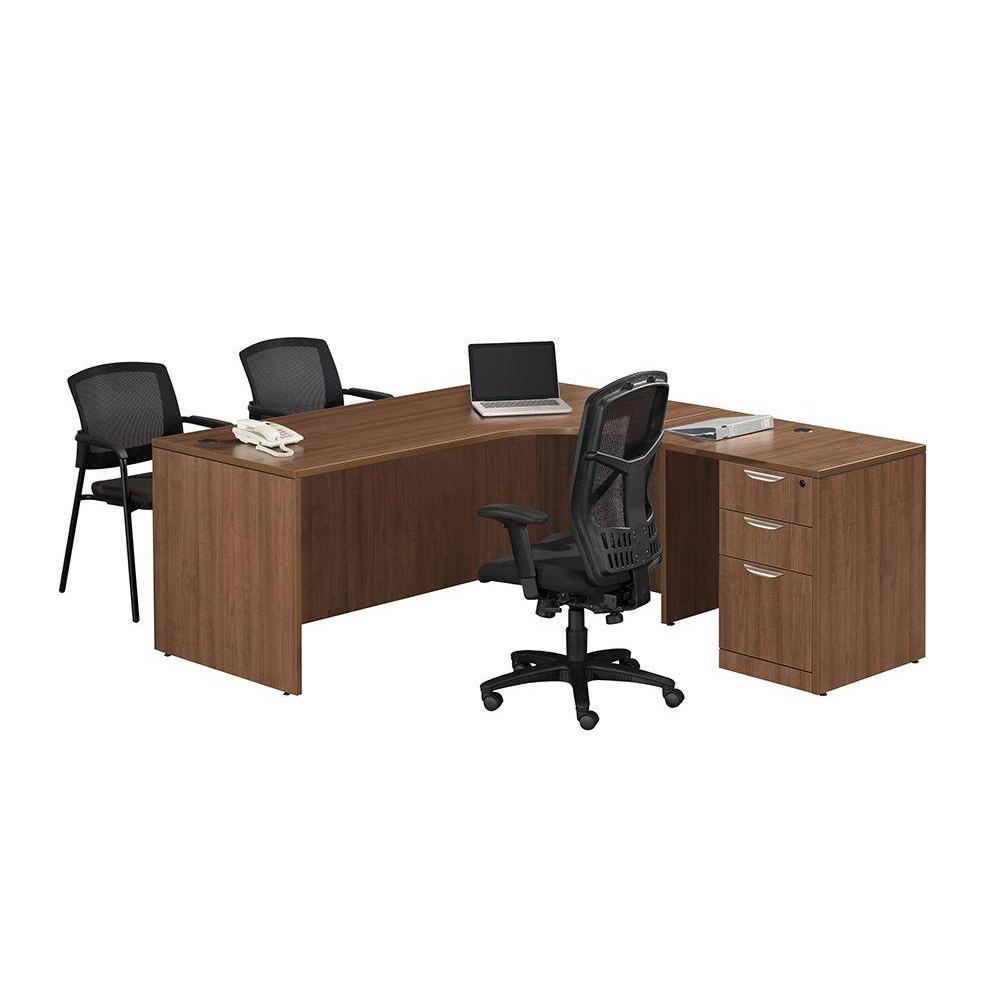
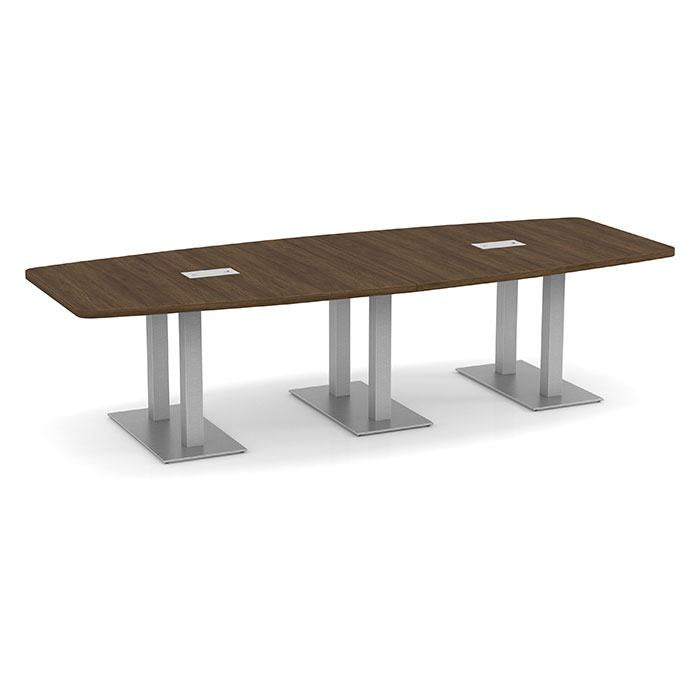
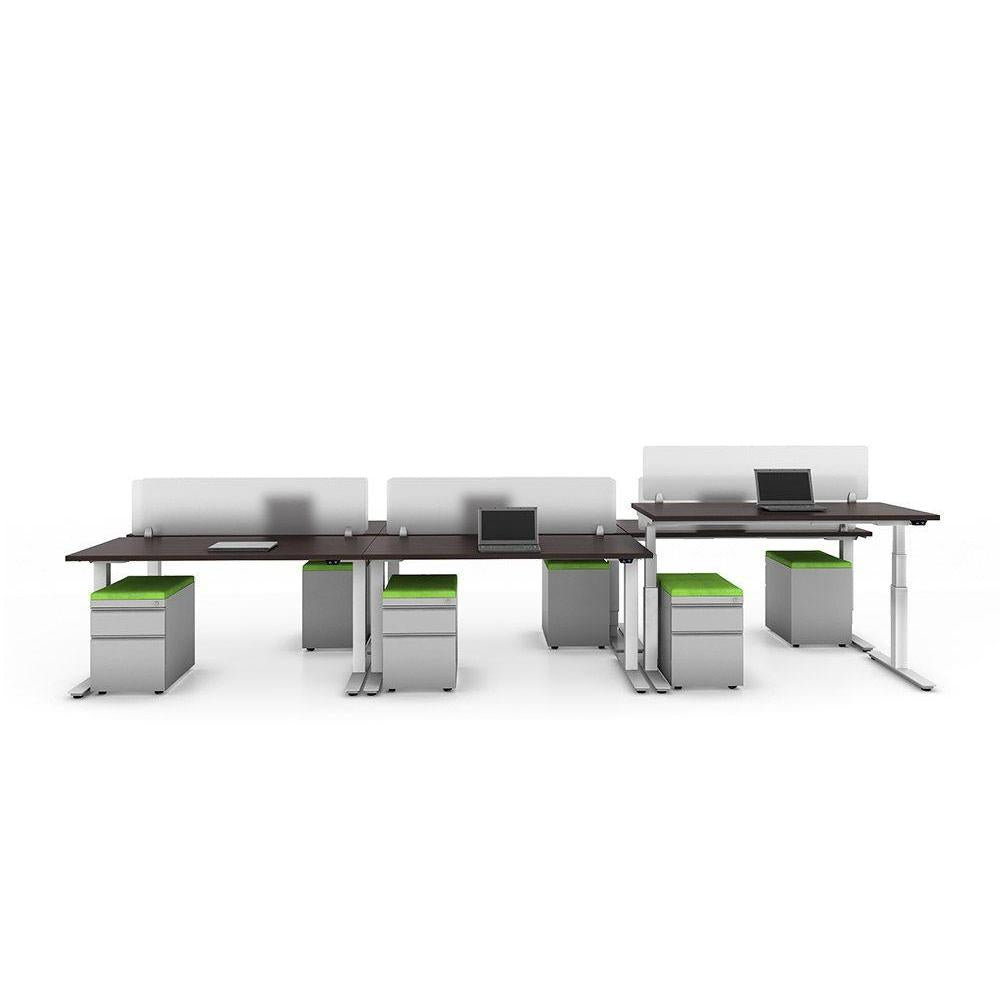
Our storage line shares a finish program with our desks and conference tables, so a filing cabinet, bookcase, and desk in the same office can be specified to match rather than approximated. Our finish options change as we add manufacturers, so check the current range with our planning team before you order.
Storage spans a wide range depending on capacity and security. Open shelving and basic bookcases start around $138 to $370, mid-tier locking cabinets and filing combos run about $465 to $700, and larger glass-door or wall-mounted storage systems run roughly $900 to $1,400 and up. If you're outfitting more than a few offices at once, a quantity quote is worth requesting before you buy piece by piece.
Browse the full range in our storage collection, or get help matching units to your space with free planning support.