












Office Furniture in Seattle: Choosing Light, Color, and Layout for Gray-Sky Offices
From October to April, most Seattle offices work under a low gray ceiling. The light coming through the windows is real daylight, but it is flat, diffuse, and there is not much of it, and by two in the afternoon in January the whole floor can feel like it is running at half brightness. Everyone who works here knows the feeling. Fewer people realize how much of it is a furniture problem.
The overhead fixtures get all the blame, but a floor of espresso laminate and black fabric absorbs an enormous amount of the light you do have. Swap the same square footage to lighter surfaces and the room reads noticeably brighter without changing a single bulb. If you are buying office furniture in Seattle, that is the single highest-leverage decision on the list.
Light Is a Furniture Decision, Not Just a Lighting Decision
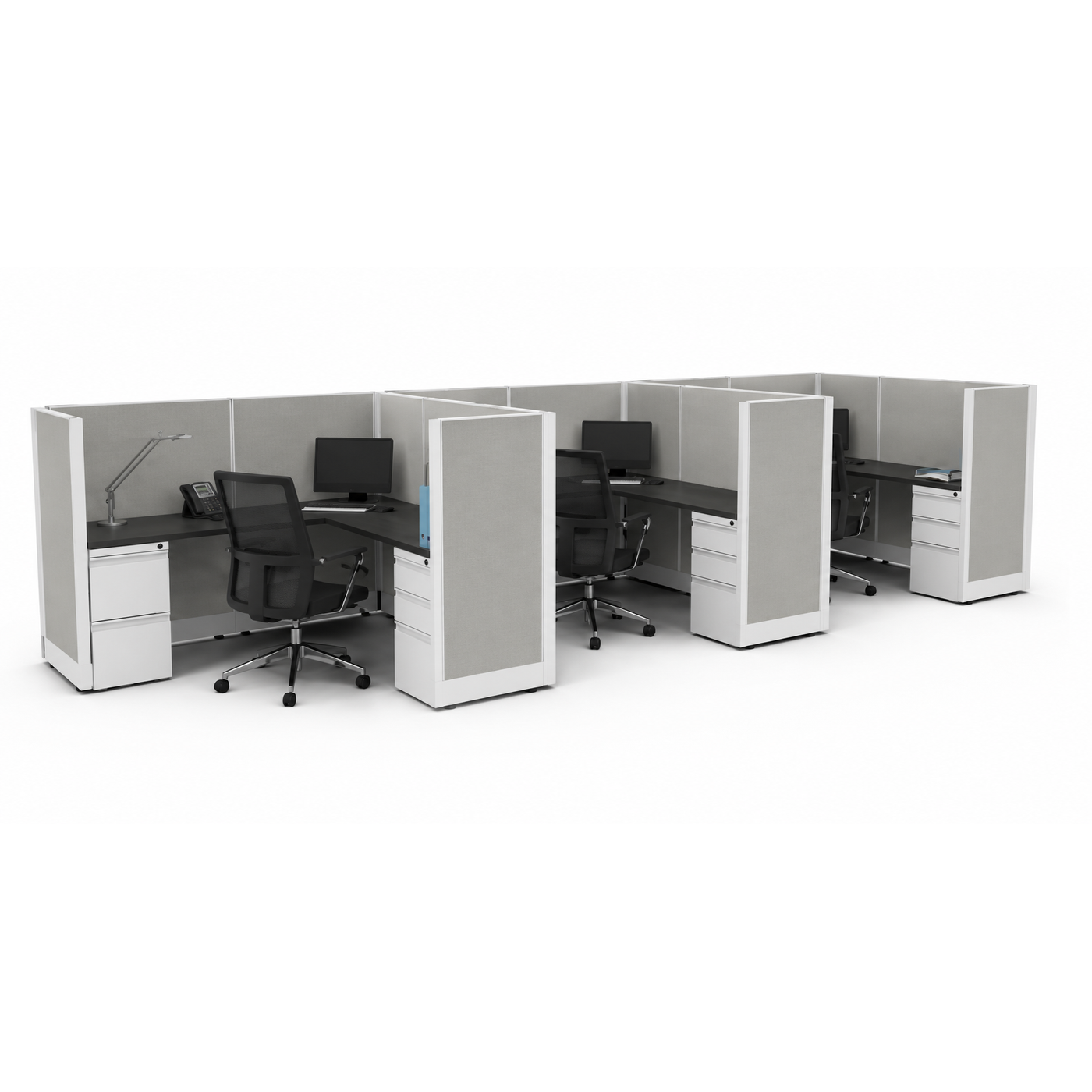
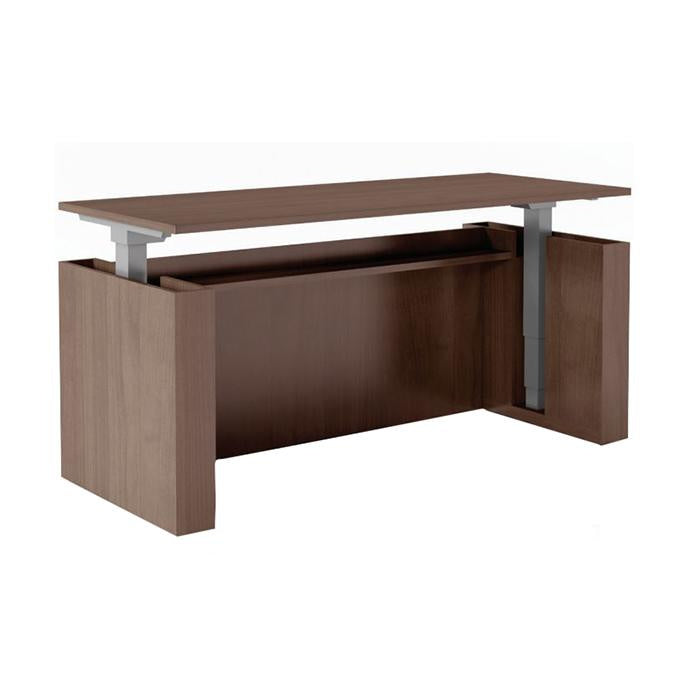
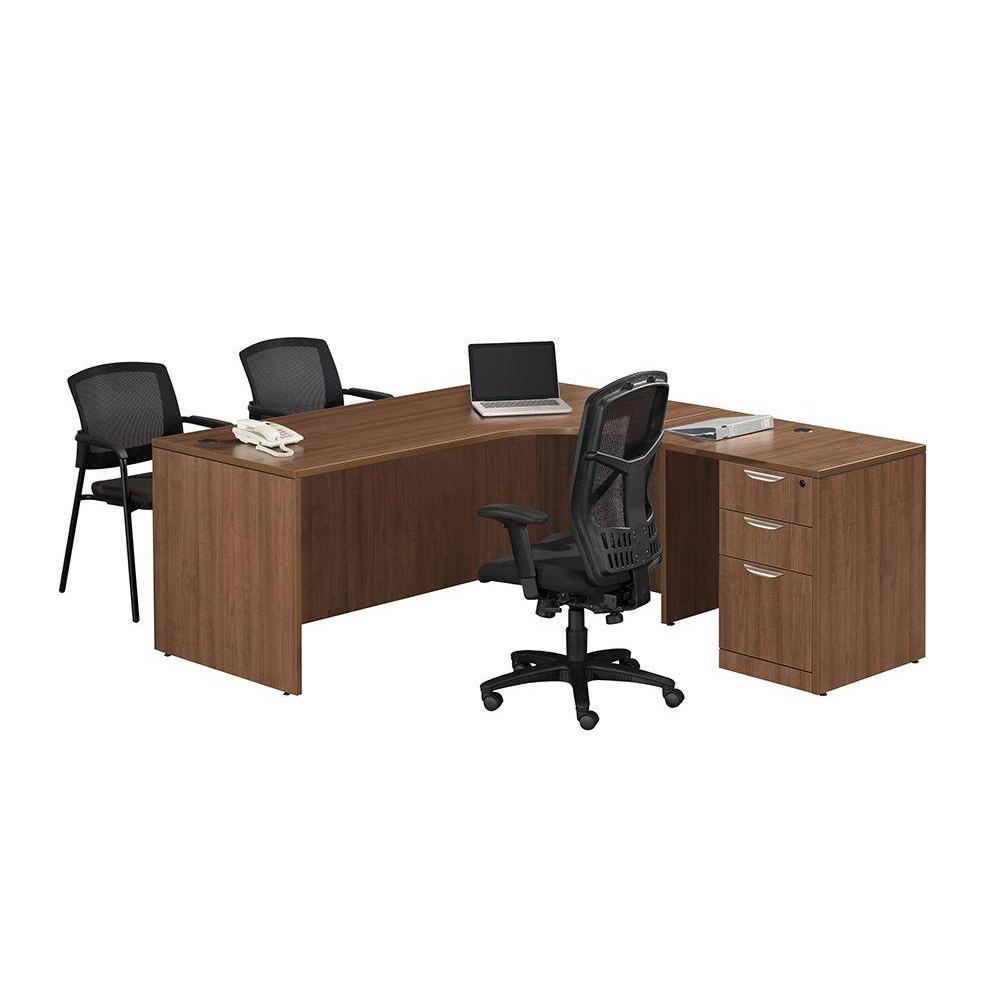
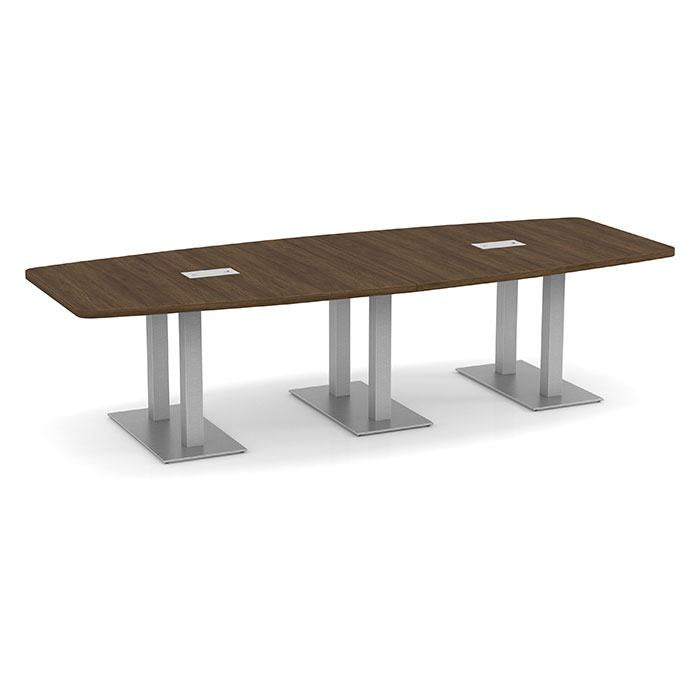
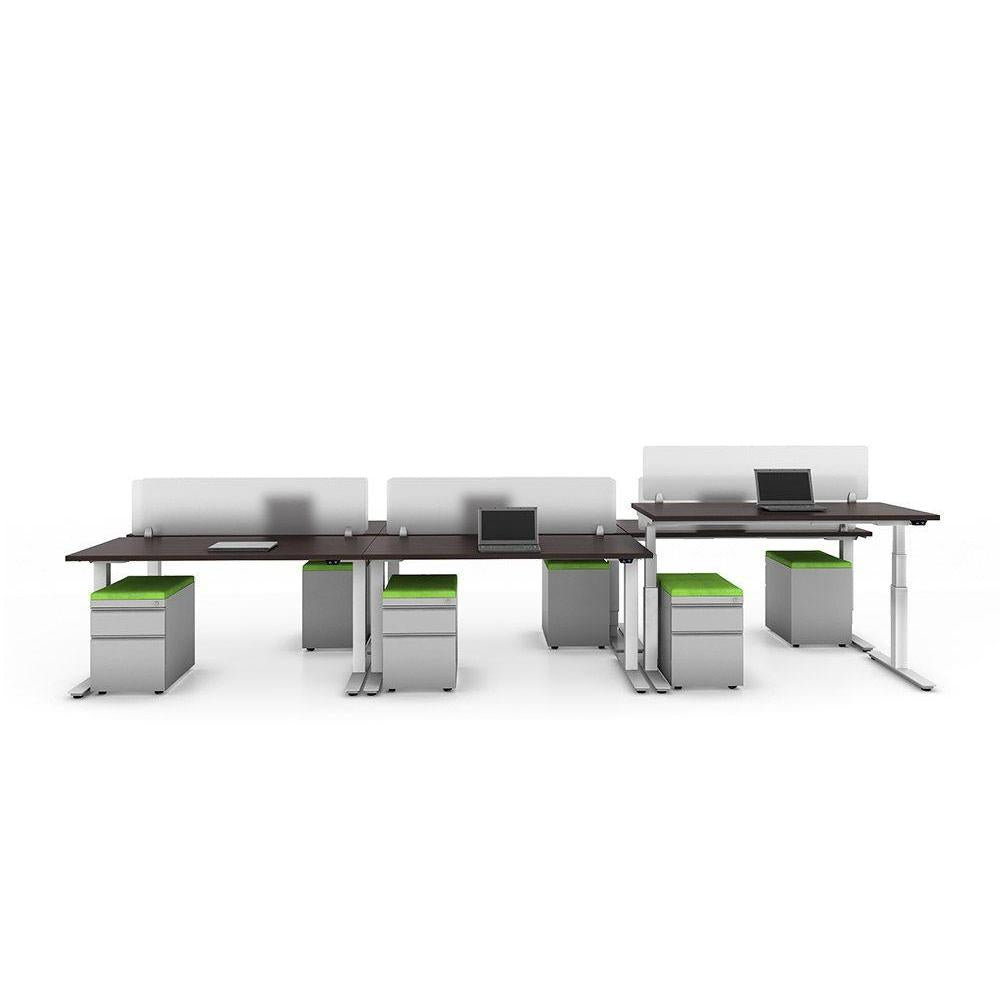
Work surfaces are the biggest uninterrupted planes in any office, so their finish does more to set the brightness of a room than anything except the windows. Dark cherry and espresso look sharp in a photo and swallow light in practice. For Seattle interiors, and especially for anything more than fifteen feet from a window, lighter laminates are the better call: Newport Gray, Aspen, Silver Birch, and white.
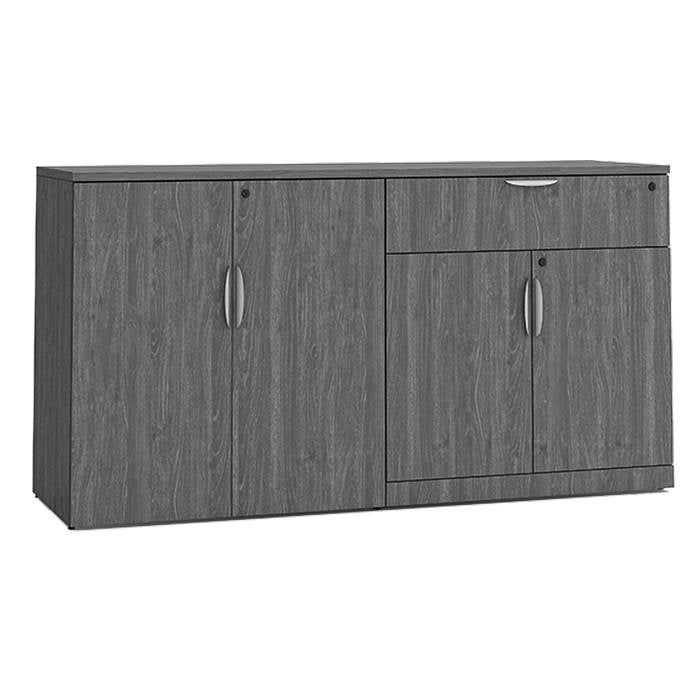
The same logic applies to storage. A wall of solid dark cabinet doors is a wall of nothing. Glass-door storage cabinets break up that mass and let light pass through instead of stopping at it, which matters most in interior conference rooms and along the back wall of an open floor.
None of this means the whole office has to go pale. Warm wood reads beautifully in a private office or a boardroom with real window exposure. The rule of thumb is simple: the less daylight a zone gets, the lighter its surfaces should be. If you want a quick test before committing to an order, stand in the darkest corner of your floor at 3 p.m. on an overcast day and look at what is already there. Whatever reads as a dark void in that moment is what to replace first.
Put the Color in the Chairs
Color is where gray-sky offices get timid, and it is also where they have the most to gain. The trick is putting it somewhere you can change your mind about later. Desks and storage are a ten-year commitment; seating is not.
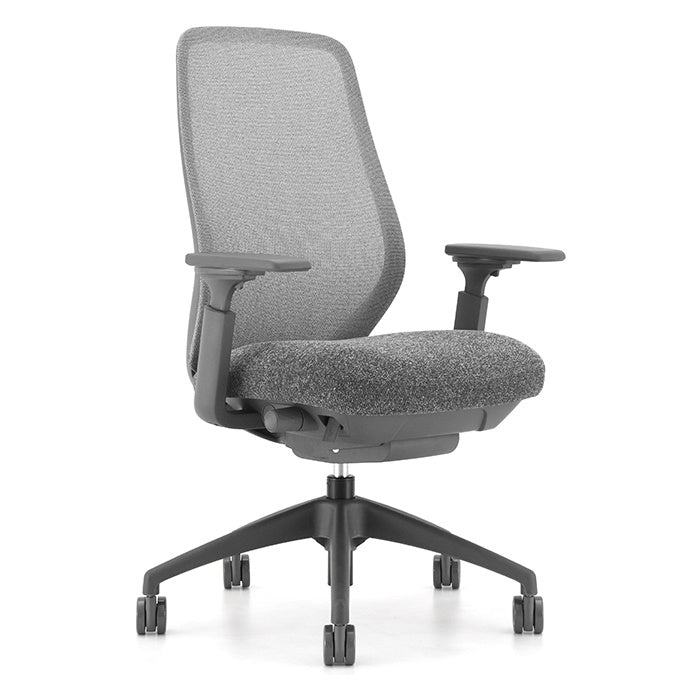
Our task and guest seating ships in far more than black. A few worth looking at:
- Y-Series Mid-Back Deluxe Multi-Function Mesh Task Chair — a full multi-function task chair available in Lime Green, Olive Green, Rust Orange, Sky Blue, and Smoke Grey alongside the usual black.
- Konfurb Propel Series Executive High-Back Chair — mustard, blue, and green options that hold up in a conference room without looking like a novelty.
- Y-Series Nesting Chair with Arms — a CoolMesh seat in orange or lime that nests flat when the training room is not in use.
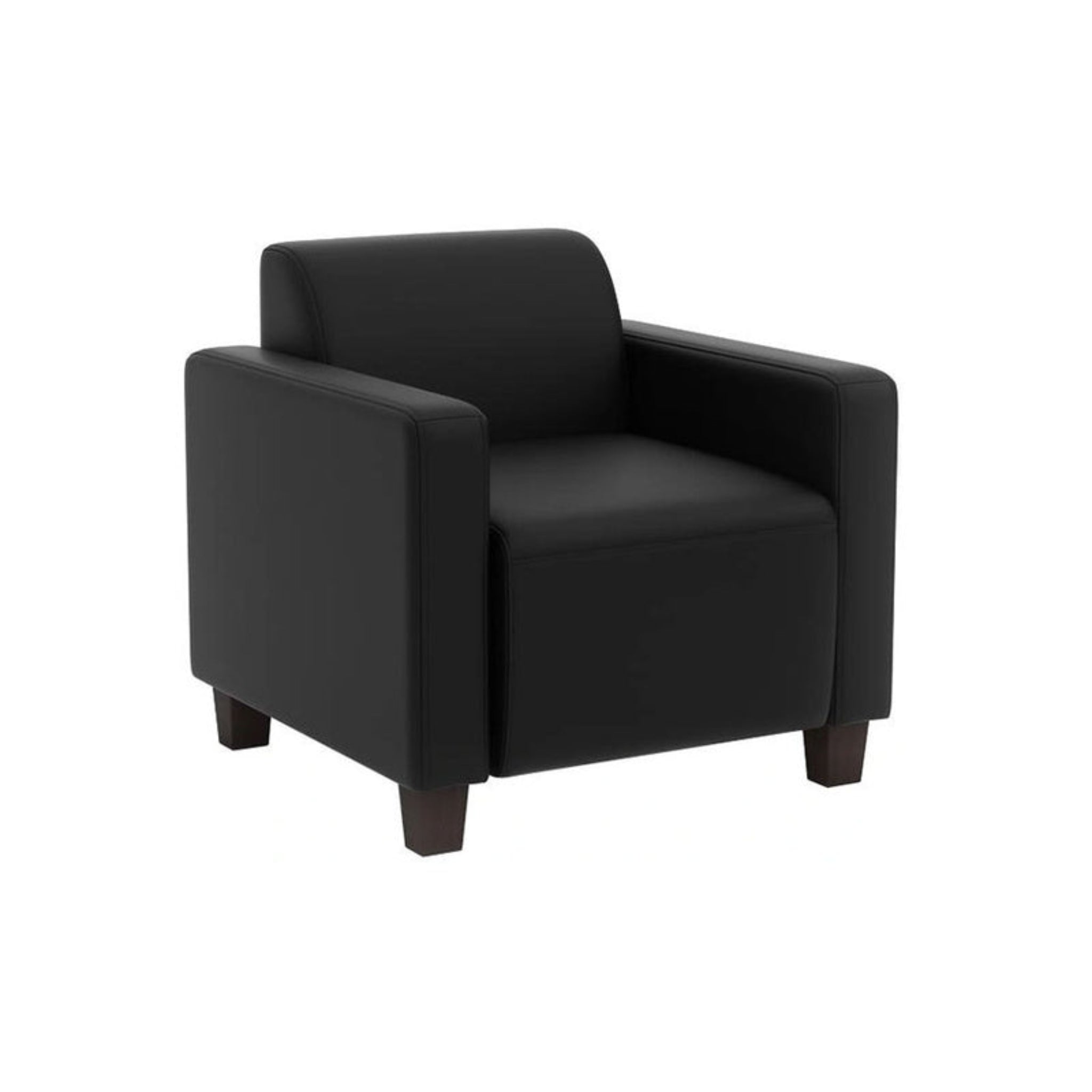
- Soft seating and lounge pieces — a club chair or loveseat in a warm upholstery does more for a dim breakroom than any amount of wall paint.
One accent color, used consistently, beats five colors used once each. Pick the one that matches your brand and repeat it in the task chairs, in one wall of guest seating, and nowhere else. Offices that scatter four or five accent colors across a floor end up looking unresolved rather than cheerful, and they lose the ability to buy matching chairs later.
Task Lighting Does What Overhead Lighting Can't
Ceiling fixtures light a room evenly, which sounds good and is exactly the problem: even light is flat light, and flat light on a gray afternoon is what makes an office feel like a waiting area. Adding light at the desk gives the eye somewhere to land.
An LED task light at each workstation costs very little per seat and changes how the desk feels immediately. Pair it with a monitor arm to lift screens off the surface, which frees up the desktop the task light is meant to illuminate and gets the screen to a height where window glare is easier to angle away from. In a west-facing Seattle office, that glare matters for about twenty minutes a day in summer and not at all in December, so plan for the dark months first and treat glare as the exception.
Video Calls Are a Lighting Problem You Can Furnish Around
This is the Seattle-specific version of a universal complaint. In a city with this much distributed and hybrid work, a large share of the day happens on camera and a person sitting with a gray window behind them is a silhouette, no matter how good the camera is.
The fix is orientation, and orientation is a furniture decision. Where you can, position desks so windows are to the side of a seated person rather than directly behind, and put the darker wall behind them instead of the bright one. In conference rooms, that usually means the display goes on the window wall rather than opposite it. A task light angled up from the desk fills in a face far better than a ceiling fixture directly overhead, which mostly creates shadows under the eyes. And for the calls that need a real door, a Zenbooth acoustic pod gives you controlled, consistent lighting in a way an open floor never will.
The Details That Are Specific to the Pacific Northwest
Wet shoes are a nine-month-a-year condition here, and they land at your entry and reception area. Hard-surface flooring by the door, a chair mat under seated positions, and an anti-fatigue comfort mat at any standing position keep the floor from taking the damage. Fabric guest seating in a lobby that catches the door is worth reconsidering in favor of something that wipes down.
Two more that come up constantly in this market. First, Seattle offices run heavier on hybrid schedules than most, which means shared desks, which means locking mobile pedestals and personal storage towers instead of assigned drawers. A floor that is two-thirds occupied on any given day needs storage that belongs to a person rather than to a desk. Second, if you are adding a Zenbooth pod, ask about the seismic anchoring kit — it is a standard add-on and building management in this seismic zone will usually want to see it before they sign off on the installation.
Shop New Office Furniture for Your Seattle Office
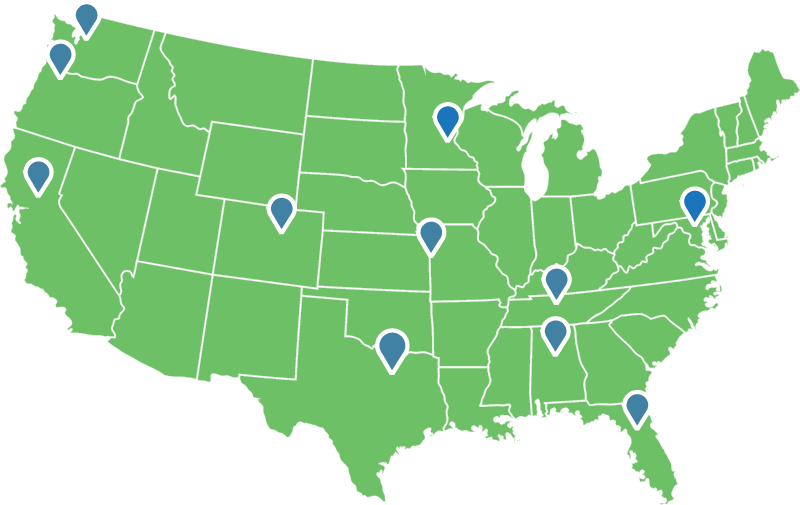
Everything above is available to order now, new, and shipped to your Seattle office. Browse desks, seating, and storage online, or send us a floor plan and we'll do the layout for you. USDO's free office furniture space planning comes with every quote, we back our pricing with a meet-or-beat guarantee, GREENGUARD-certified options are available, and we ship to all 50 states.
Furnishing more than a few desks? Request a quote and we'll price the whole project, including delivery and installation. And if you'd like to sit in the chairs before you commit, our Seattle-area partner showroom in Tukwila takes appointments.
- Choosing a selection results in a full page refresh.