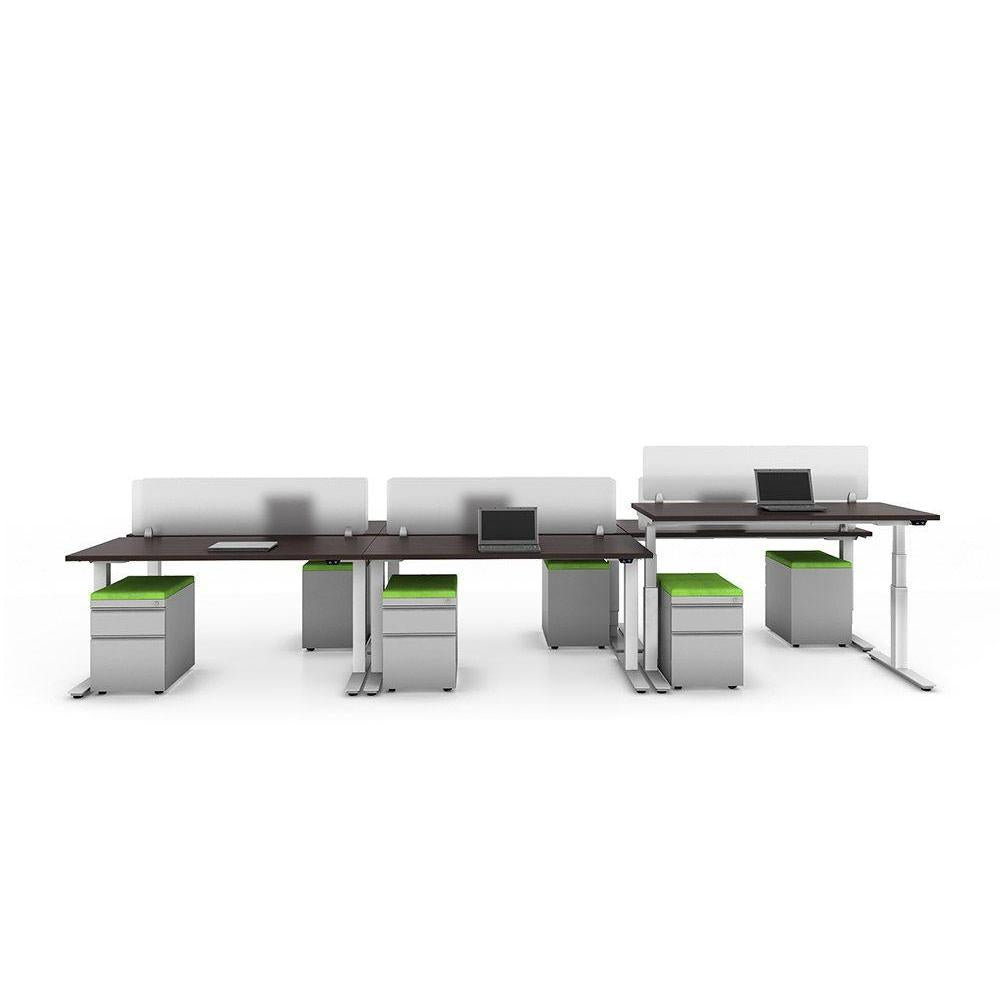
Most of what we sell is chosen by facilities managers furnishing full offices, but a good share of visitors are outfitting a single home office and aren't sure whether they need something different. The honest answer: sometimes yes, sometimes no. Here's what actually changes between the two, and where the categories overlap more than you'd expect.
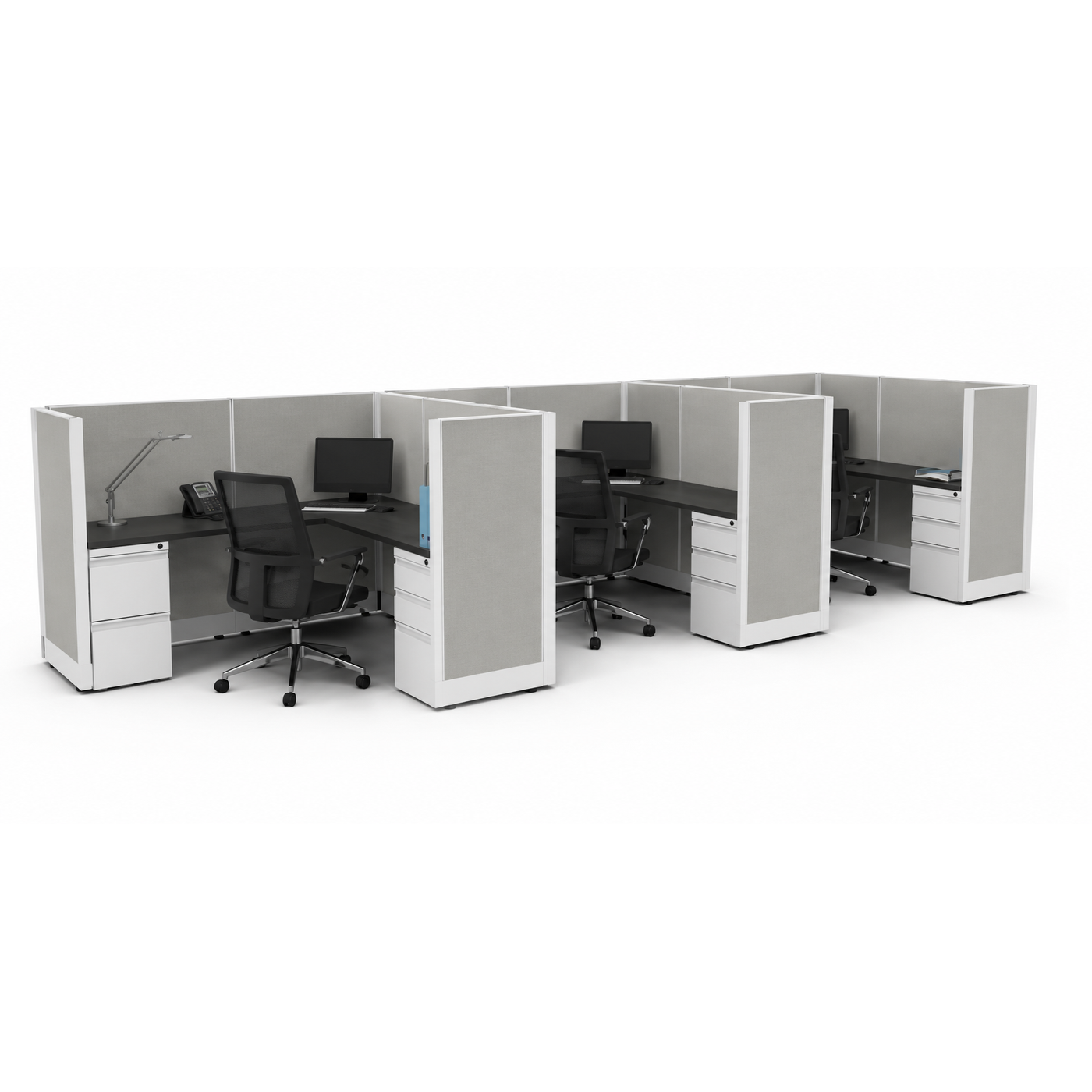
"Office furniture" covers a desk chair used 8 hours a day by one person just as much as it covers a cubicle system used in three shifts by rotating employees. The materials and construction that make sense for one don't automatically make sense for the other, but the gap is narrower than big-box retail would suggest.
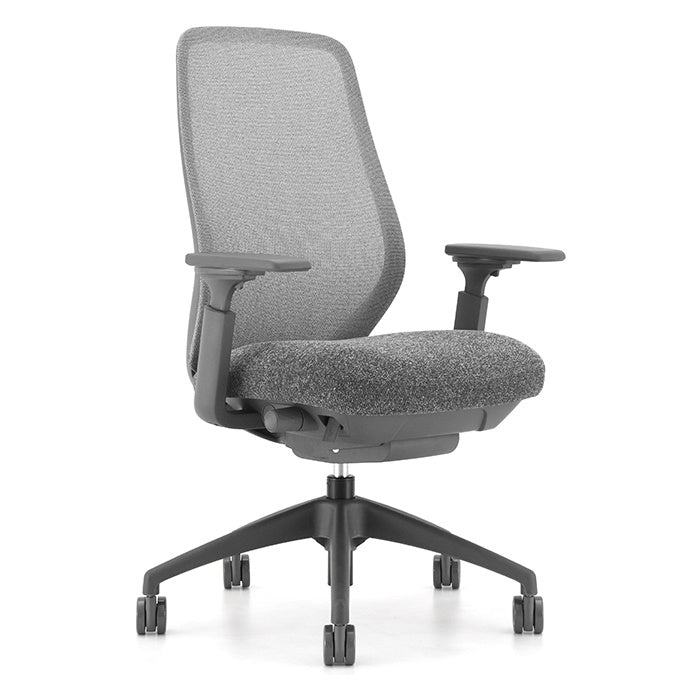
This is the biggest real difference. A chair or desk in a shared commercial space gets used by more people, more hours, with less consistent care, so it's built with heavier-duty mechanisms, reinforced frames, and longer warranty coverage to match. A single person's home office chair sees lighter cumulative wear, which is why home-office-oriented lines can hit a lower price point without necessarily sacrificing comfort. They're just not engineered for multi-shift, multi-user duty cycles.
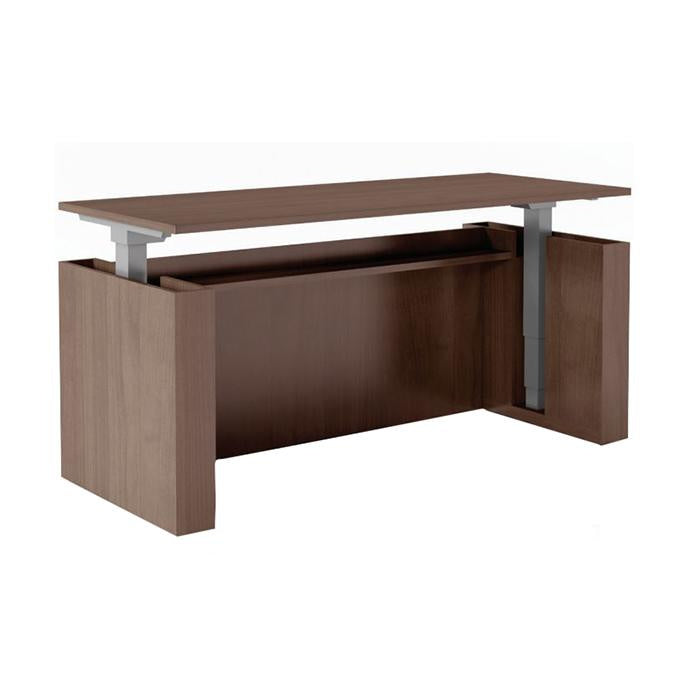
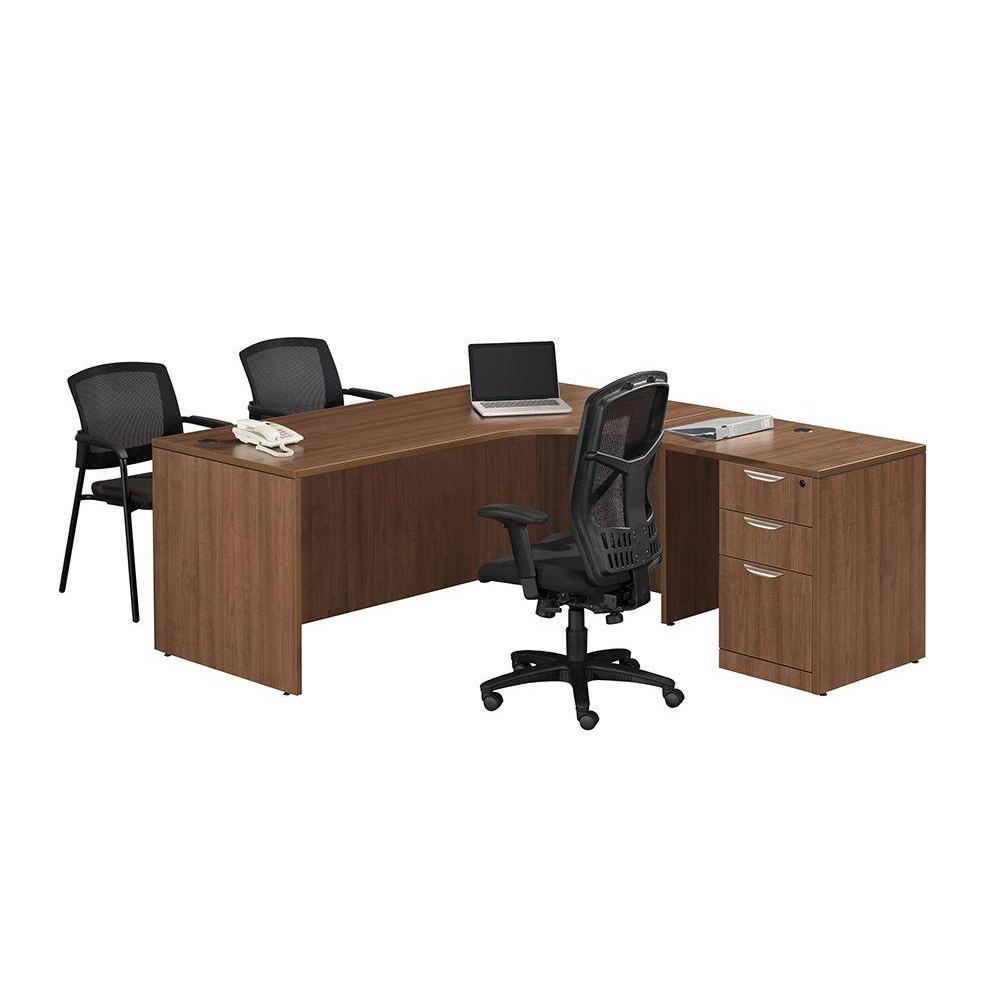
Home offices are almost always smaller than a commercial private office or workstation footprint. That pushes different choices: a single straight desk like our Classic Series Straight Desk with Box/Box/File (from about $512) instead of a full workstation with a return and overhead hutch, and a task chair sized for one person's use rather than a bank of identical chairs ordered by the dozen.
The price difference between typical home furniture and commercial-grade furniture is mostly warranty and duty cycle, not appearance, the same point we make in our commercial-grade vs. big-box comparison guide. Commercial-grade construction costs more up front because it's warrantied for heavier, more constant use. For a single home office, that headroom may or may not be worth paying for, depending on how many hours a day the piece is actually in use.
Here's the trade-off worth keeping in mind: buying from us for a home office generally costs a little more than a general retailer's desk or task chair. What that difference buys you is real commercial-grade construction and warranty coverage, plus access to the same planning and support team that outfits full commercial buildouts, not just a box on your doorstep. That combination of build quality and professional service is the actual advantage over cheaper, lower-quality furniture, even for a single-person setup.
This is the part most people don't expect: many of the products we tag for home office are the exact same commercial-grade desks and chairs we sell for full commercial buildouts, just sized and priced for a single-person setup rather than a bulk office order. You're not choosing between "commercial quality" and "home quality" so much as choosing the right size and configuration for one person's space instead of a shared floor plan.
Still not sure which fits your situation? Check our FAQs or call (877) 226-2244. We can point you to the right collection in a couple of minutes.