













What Is BIFMA?
BIFMA stands for the Business and Institutional Furniture Manufacturers Association. It's the nonprofit trade association that develops the testing standards used to evaluate the safety, durability, and structural performance of office and institutional furniture sold in the United States. When furniture is described as "ANSI/BIFMA tested" or "ANSI/BIFMA compliant," it means that product category has been tested against one of these published standards, typically by an independent lab, rather than simply advertised as durable.
 bifma.org
 ansi.org
What BIFMA Actually Does
BIFMA doesn't manufacture furniture itself. It's an association of furniture manufacturers that writes and maintains the technical standards those manufacturers (and their competitors) test products against. The standards cover things like how much weight a chair base needs to support before it fails, how many open-and-close cycles a file drawer needs to survive, and how far a bookcase can tip before it's considered unstable. Manufacturers, testing labs, and buyers all reference the same published standard, so "durable" and "safe" mean something specific and measurable rather than just a marketing claim.
How ANSI Fits In
ANSI, the American National Standards Institute, doesn't write furniture standards itself. It's the body that accredits standards-developing organizations across many industries and ensures their process meets certain requirements for openness, balance, and consensus. BIFMA is accredited by ANSI as a standards developer, which is why furniture standards are published jointly as "ANSI/BIFMA" standards (for example, ANSI/BIFMA X5.1) rather than under either organization's name alone. In short: BIFMA writes the furniture-specific standard, and ANSI accreditation is what confirms the process behind it meets a recognized national bar for how a standard should be developed.
The Main Testing Categories
BIFMA maintains a family of standards, generally referred to as the X5 series, each covering a different category of furniture. A few of the most common:
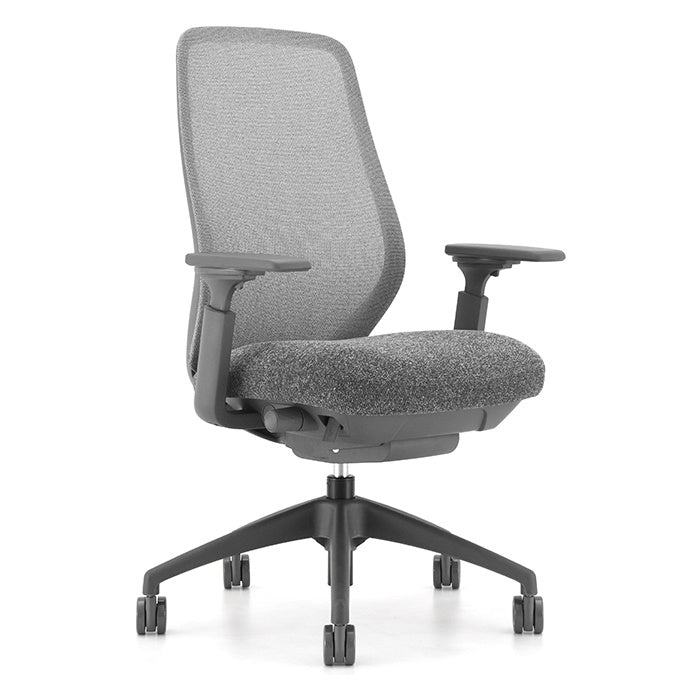
ANSI/BIFMA X5.1
General-purpose office chairs: covers stability, structural strength, and durability of seating mechanisms under repeated use.
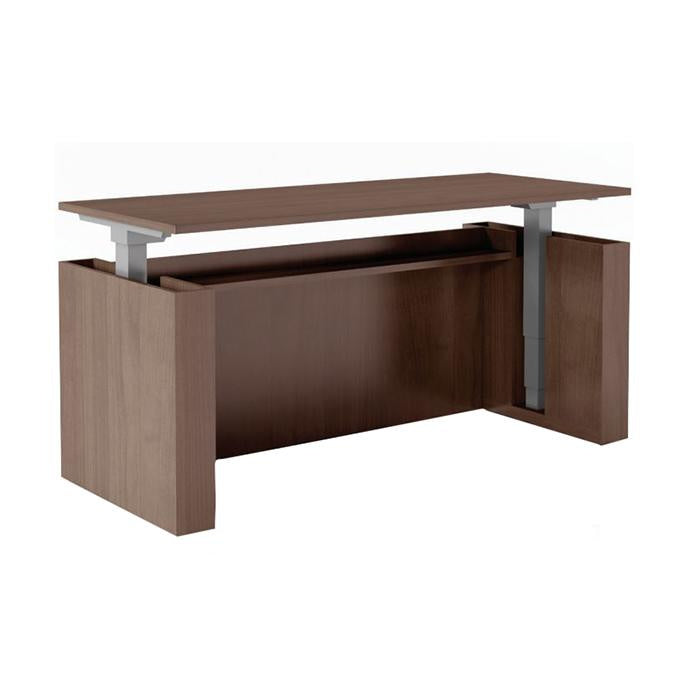
ANSI/BIFMA X5.5
Desk products: covers load capacity, stability, and structural performance of desks and workstations.
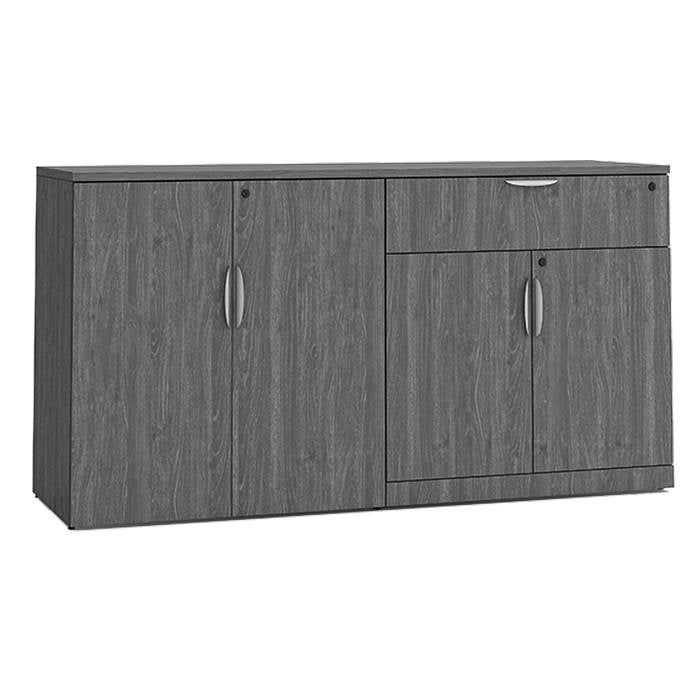
ANSI/BIFMA X5.9
Storage units: covers stability, shelf load capacity, and drawer or door cycle durability for cabinets and files.
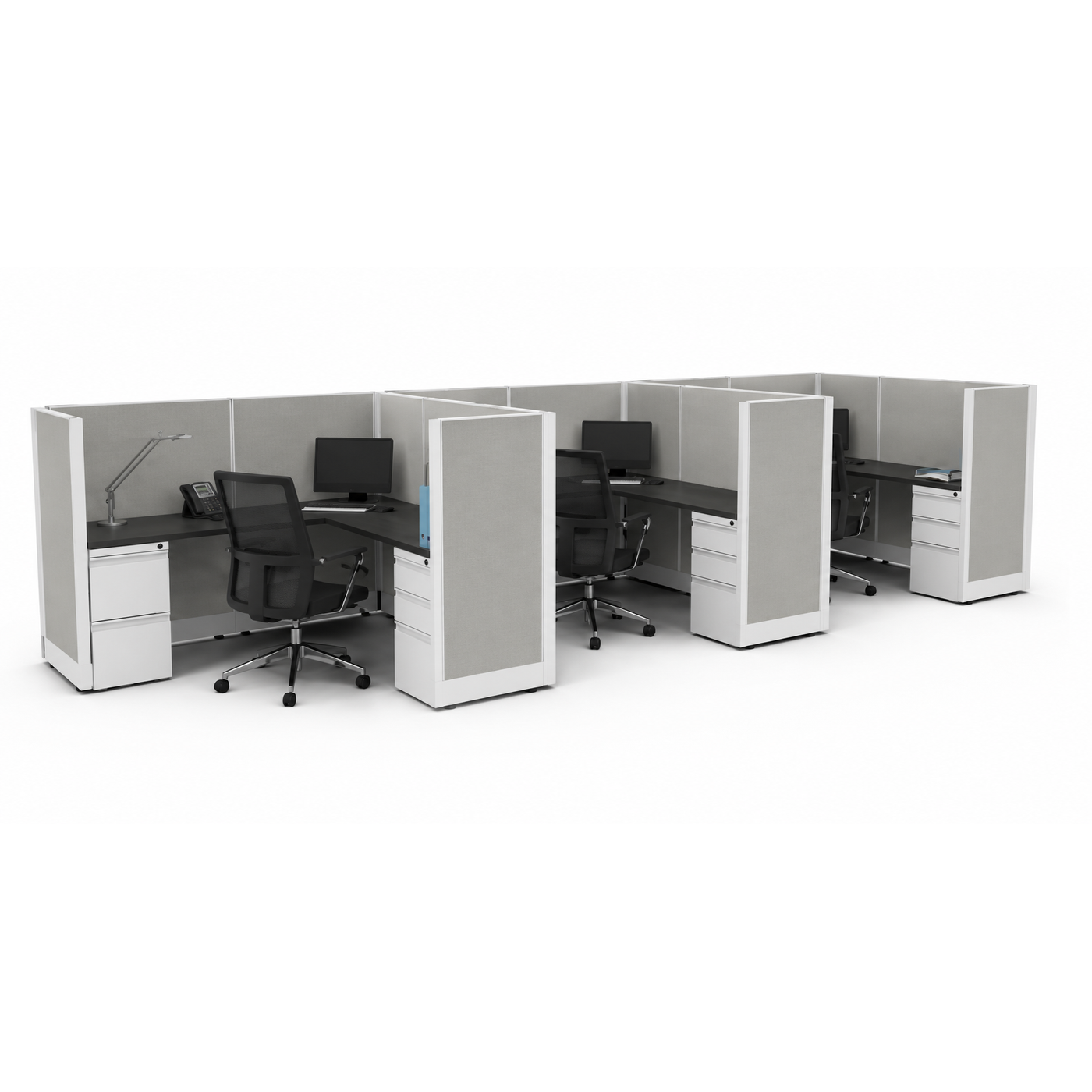
ANSI/BIFMA X5.6
Panel systems: covers structural stability and load performance for cubicle and workstation panel systems.
This isn't the complete list; BIFMA publishes standards for lounge seating, large-occupant chairs, and several other categories as well. The full, current set is maintained on BIFMA's own site.
What the Testing Actually Measures
Across categories, ANSI/BIFMA testing generally falls into a few buckets: stability (whether a piece tips over under realistic loads, including off-center weight), structural adequacy (whether frames, welds, and joints hold up under a static or impact load), and cyclic durability (whether moving parts, like a chair's tilt mechanism or a drawer's glide, keep working after a large number of simulated use cycles meant to represent years of daily wear). A product that passes has been through repeatable lab testing against a fixed benchmark, not just a manufacturer's own internal opinion of what "durable" means.
Why It Matters When You're Buying
For most buyers, ANSI/BIFMA compliance is a shortcut for a question that would otherwise be hard to answer from a product photo alone: will this actually hold up to daily use by different people, for years, without failing? It's also relevant for liability and insurance purposes; a chair or shelving unit that fails and causes injury is a different conversation if it was tested to a recognized standard versus untested. Many corporate, government (GSA), and institutional purchasing specifications require ANSI/BIFMA-tested products for exactly this reason, even though the standards themselves are voluntary rather than a matter of federal law.
BIFMA LEVEL: A Separate Certification
It's worth knowing that BIFMA also runs a program called LEVEL, which is a separate, multi-attribute sustainability certification covering things like material sourcing, energy and water use in manufacturing, and end-of-life recyclability. LEVEL is distinct from the X5 safety and durability standards described above; a product can be ANSI/BIFMA tested for durability without being LEVEL certified for sustainability, and vice versa, though many commercial furniture lines carry both.
Frequently Asked Questions
Is BIFMA a government agency?
No. BIFMA is a private, nonprofit trade association made up of furniture manufacturers. Its standards are voluntary industry standards, not federal regulations, though they're widely required in commercial and government purchasing specifications.
Does "ANSI/BIFMA tested" mean the same thing as "GreenGuard certified"?
No, they measure different things. ANSI/BIFMA standards test structural safety and durability (will it hold up and stay stable). GreenGuard is a separate, third-party certification focused on low chemical emissions and indoor air quality. A product can carry either certification, both, or neither.
How do I know if a piece of furniture is actually ANSI/BIFMA tested?
Check the manufacturer's spec sheet or product documentation, which should cite the specific standard (for example, ANSI/BIFMA X5.1) if the product has been tested against it. If it isn't listed, it's reasonable to ask the manufacturer or retailer directly.
Is ANSI/BIFMA testing required by law?
Generally, no. It's a voluntary industry standard rather than a legal requirement, but it's frequently required by corporate purchasing policies, government contracts, and institutional buyers as a condition of purchase.
Further Reading
- BIFMA's official site, for the complete, current list of standards.
- ANSI's official site, for more on how standards accreditation works.
- What Makes Commercial Furniture Different From Regular Furniture?, for how these standards fit into the bigger picture of commercial-grade construction.
- GreenGuard Commercial Furniture, for the separate certification covering chemical emissions and indoor air quality.
- Choosing a selection results in a full page refresh.