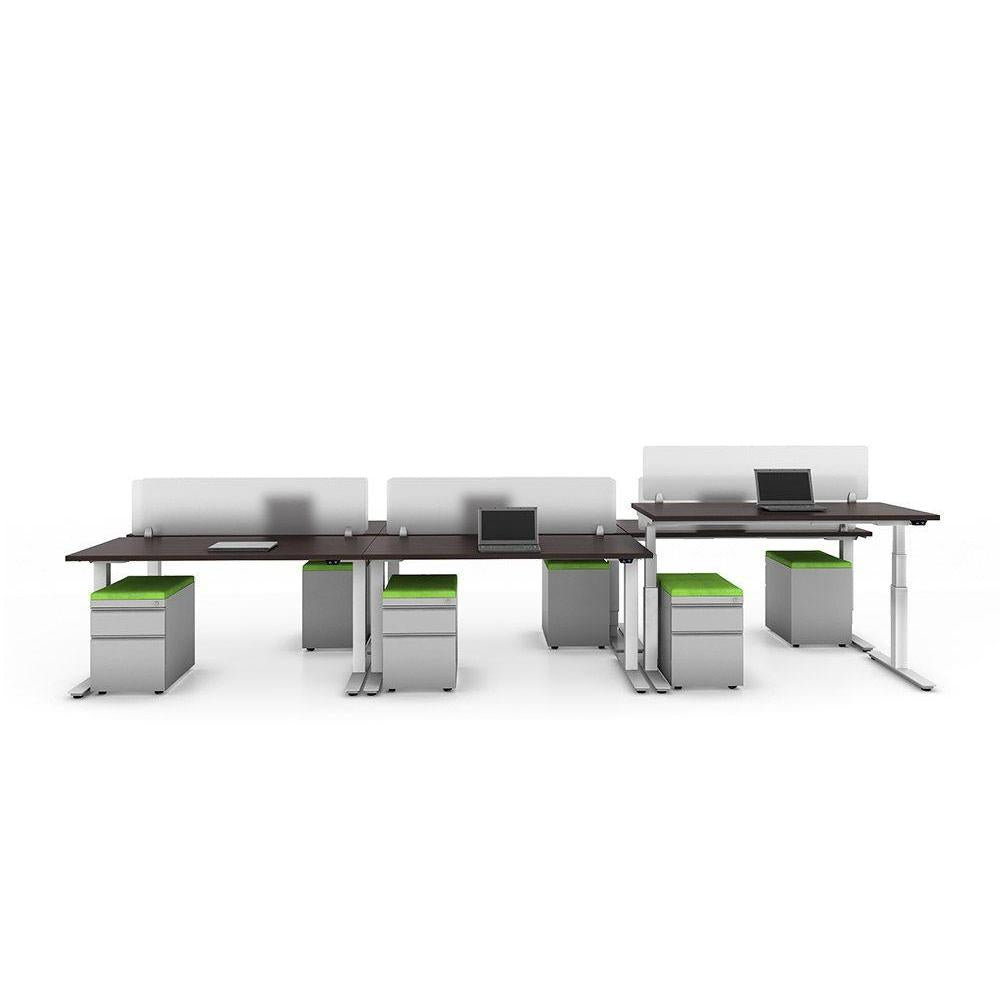
Commercial furniture differs from regular (residential) furniture in three main ways: it's built to survive continuous, multi-person daily use rather than occasional use by one household; it's tested against published ANSI/BIFMA performance standards rather than just marketed as durable; and it's backed by longer warranties that reflect that higher duty cycle. The materials, the price, and the testing all follow from that core difference in how the furniture is expected to be used.
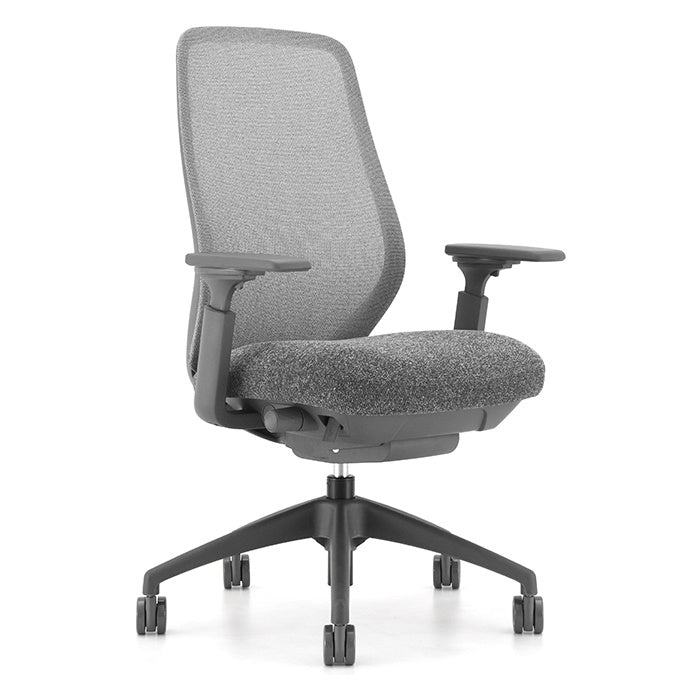
The single biggest driver of every other difference is usage intensity. A dining chair in a home might get used a few hours a day by one or two people. A task chair in an office gets used eight or more hours a day, often by different people over its lifespan, with far less consistent care. Commercial furniture is engineered around that heavier, more constant duty cycle: reinforced frames, higher-cycle mechanisms, and denser materials that resist sagging, loosening, or cracking under sustained daily load. Residential furniture is engineered for a lighter, more occasional duty cycle, which is exactly why it can be lighter and less expensive, and why it isn't a good fit for a busy shared office.
Regular furniture is generally not tested against any third-party standard before it's sold; "sturdy" or "heavy duty" on a product listing is a marketing description, not a verified claim. Commercial furniture in categories like seating, desking, storage, and panel systems is commonly tested against ANSI/BIFMA standards, a set of published benchmarks for stability, structural strength, and cyclic durability that furniture has to pass in a lab before it can be described as compliant. That's the difference between a manufacturer's opinion of how durable a product is and an independent, repeatable test result.
For a full breakdown of what ANSI/BIFMA testing actually covers and measures, see our guide, What Is BIFMA?
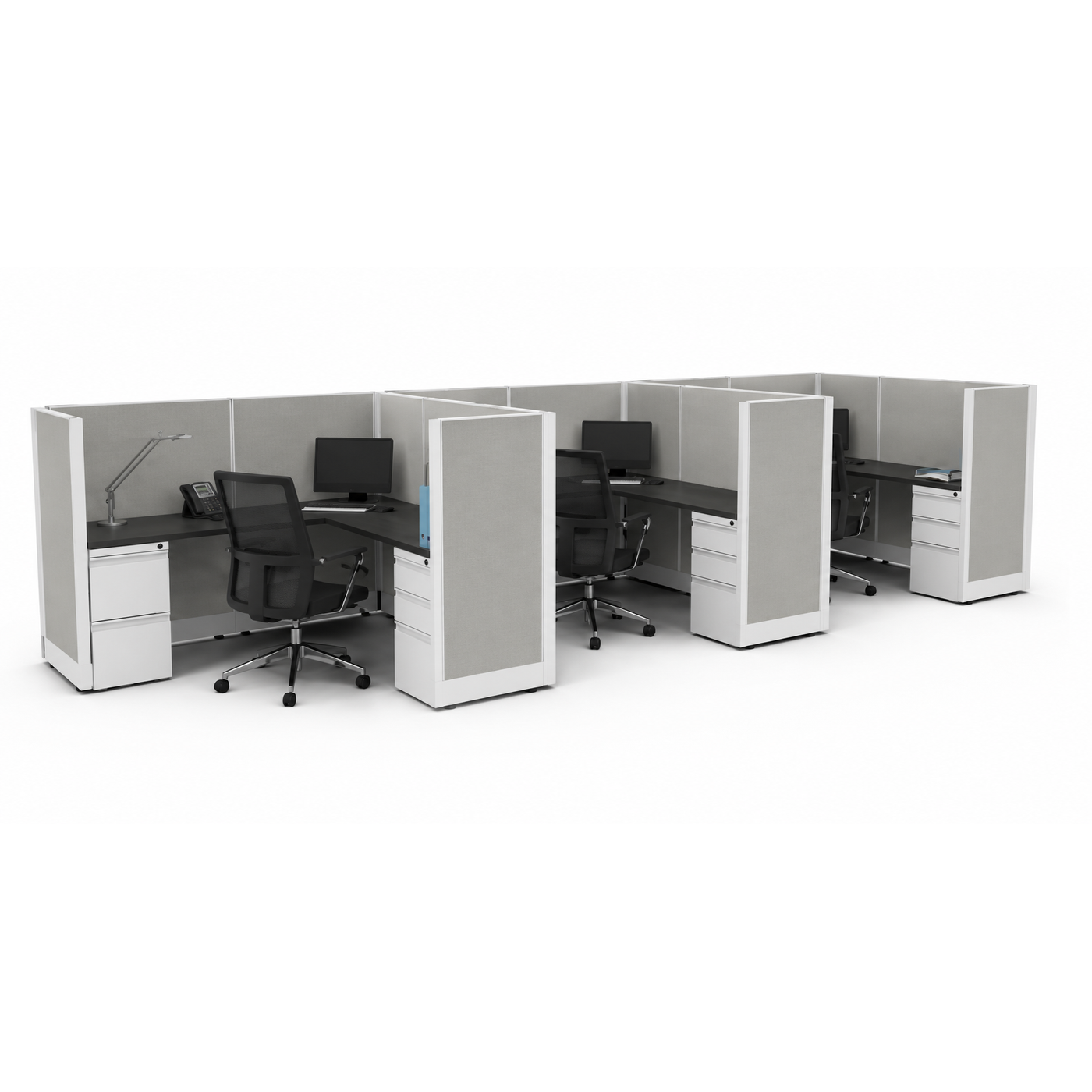
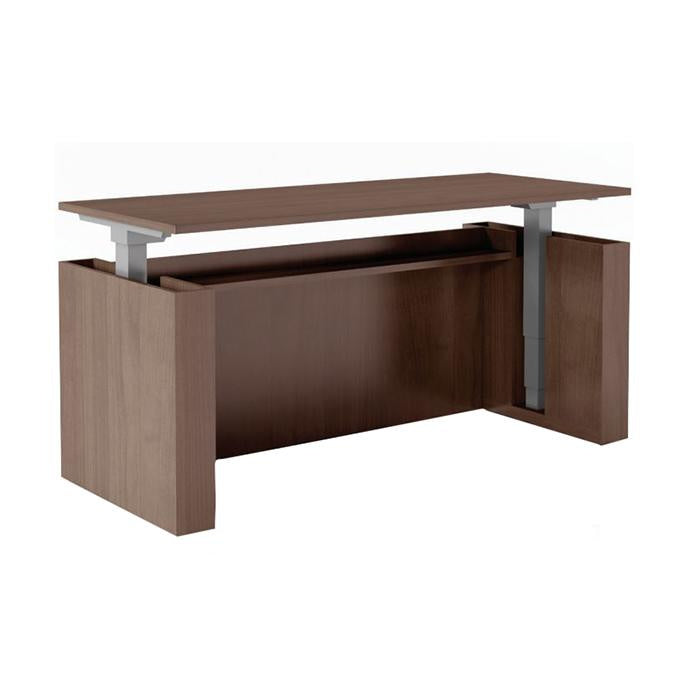
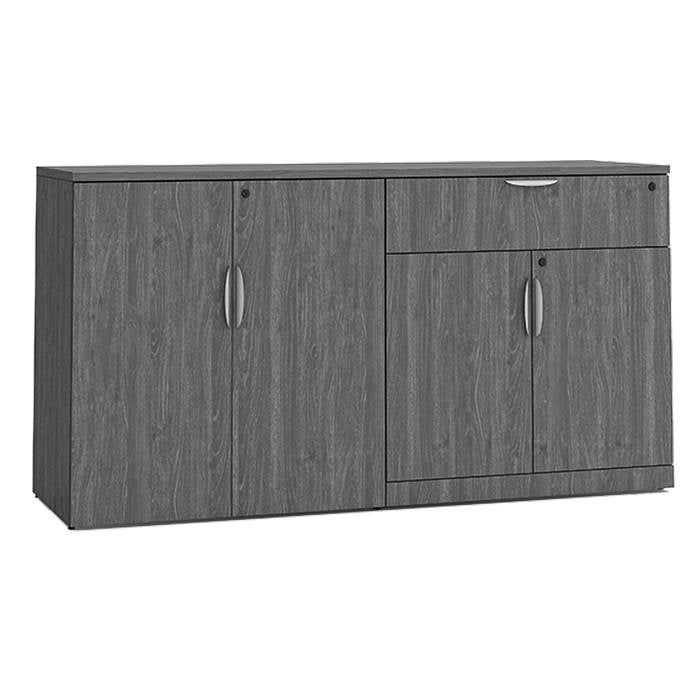
Commercial-grade casegoods (desks, credenzas, filing cabinets) are typically built around higher-density particleboard or plywood cores, thicker edge banding, and heavier-gauge hardware than furniture built for occasional home use. Seating uses reinforced frames and mechanisms rated for continuous multi-user cycling rather than light personal use. This is a large enough topic on its own that we've covered it in detail separately; see Commercial-Grade vs. Big-Box Furniture for a full materials comparison.
Warranty terms are a useful, quick signal of how a manufacturer expects a product to be used. Furniture warrantied for 90 days to a year is generally built and priced around occasional residential use. Furniture carrying a multi-year or limited lifetime warranty on frame and core construction is a signal the manufacturer expects, and is willing to stand behind, years of continuous commercial use.
| Factor | Regular (Residential) Furniture | Commercial Furniture |
|---|---|---|
| Expected use | A few hours a day, mostly one or two people | Continuous daily use, often multiple people over its lifespan |
| Testing | Generally untested against a published standard | Often tested to ANSI/BIFMA standards for stability and durability |
| Construction | Lighter-gauge materials sized for occasional load | Heavier-gauge materials and reinforced mechanisms sized for constant load |
| Typical warranty | 90 days to 1 year | Multiple years to limited lifetime on core components |
General industry patterns shown for comparison. Specific specs, testing, and warranty terms vary by manufacturer and product line.
Furniture going into offices, schools, healthcare facilities, and other public or institutional spaces is also more likely to need to meet flammability and safety codes that don't typically apply to furniture sold for home use, such as upholstered seating standards adopted from California's Technical Bulletin 133 and now referenced more broadly in commercial and contract specifications. This is one more reason a product built and tested for commercial use isn't simply a "sturdier" version of a home product; it's frequently built to a different regulatory bar entirely.
None of this means commercial furniture is only relevant to large offices. A home office used daily for years benefits from the same durability and testing that a corporate office relies on, even at a smaller scale. We cover that specific trade-off, what buying commercial-grade construction gets you in a home setting, in Home Office vs. Commercial Furniture.
Usually more upfront, yes, but priced over its expected lifespan it's often the lower-cost option, since it isn't replaced as frequently as furniture built for lighter, occasional use.
You can, but it's more likely to show wear, loosen, or fail sooner under daily multi-person use, and it typically carries a much shorter warranty than furniture built and tested for that use case.
Check whether it's tested to a published ANSI/BIFMA standard, what the warranty term is, and how the manufacturer describes its intended duty cycle. Vague marketing language like "heavy duty" without a cited standard or warranty backing it up is a sign it may not actually be built for continuous commercial use.